
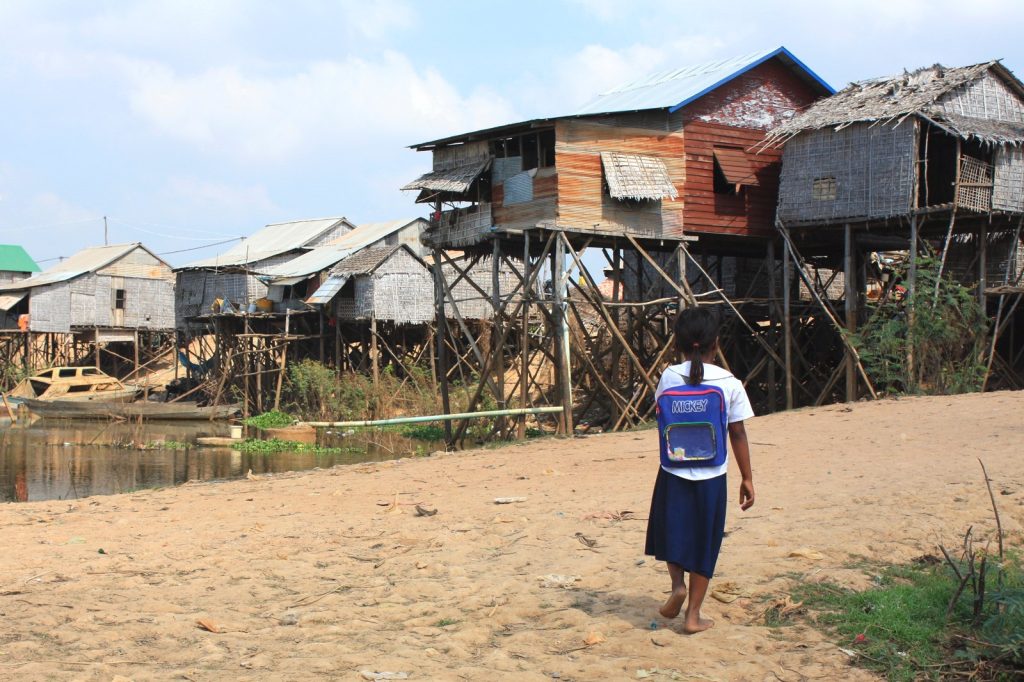
PHNOM PENH — The burden sits heaviest on the villages that already have the least. For the Cambodian families who live hours from the nearest clinic, a diabetes diagnosis can mean a slow, preventable decline. That reality is what the push for community health workers is designed to interrupt.
Type-2 diabetes and hypertension are not new diseases here, but their spread has accelerated. The record shows a sharp rise in prevalence.
The healthcare system, already stretched thin, is now facing a chronic disease wave it was not built to handle. Hospitals in provincial capitals see patients who arrive too late, their conditions worsened by months or years without basic management. The community health worker strategy is a direct response to that failure.
Train local people. Put them in the villages.
Let them catch the cases early. The logic is blunt and practical: a health worker who lives next door can spot the warning signs long before a doctor ever gets a look. What this means for the average Cambodian in a rural district is a shift in how care reaches them.
Instead of a long, costly trip to a facility that may be understaffed, the first point of contact becomes a neighbor who has been trained to measure blood pressure, ask about symptoms, and know when to say, “This one needs the hospital.” That referral step is critical. It is the difference between a manageable condition and a crisis. The initiative touches multiple layers of Cambodian society.
For the health workers themselves, it creates a new role with real responsibility. They are not doctors.
They are not nurses. But they become the gatekeepers, the ones who decide who gets seen and who gets a simple intervention at home. That is a lot of trust to place in a person with limited formal training.
The record indicates that training programs, guidelines, and protocols are being developed specifically for this context. The success of the whole plan depends on how well those programs are built and how consistently they are followed.
For the government and the international organizations involved, the stakes are financial as well as human. Chronic disease management is expensive. Hospital stays, medication, specialist visits — the costs add up fast.
If community health workers can keep people stable and out of the hospital, the savings are substantial. If they cannot, the burden on the system will only grow as the population ages and the disease rates climb. Several organizations and stakeholders are collaborating on this.
They are working to tailor the approach to Cambodian culture and conditions. That means accounting for language barriers, local beliefs about health and illness, and the simple logistics of getting supplies to remote areas.
A protocol that works in Phnom Penh may fail utterly in a floating village on the Tonle Sap. What comes next is the hard part: implementation at scale. Training a few dozen workers in a pilot project is one thing.
Rolling that out across the country is another. The record does not provide a timeline or a target number.
It does not name the organizations or the specific funding sources. What it shows is an acknowledgment that the old model is not working and that something different has to be tried. For the families waiting in those villages, the change cannot come fast enough.
Hypertension and diabetes do not wait. They damage organs quietly, year after year. A community health worker with a blood pressure cuff and a basic understanding of the disease may be the only thing standing between a patient and a stroke.
That is a thin line. But it is a line that did not exist before.
{“@context”: “https://schema.org”, “@type”: “NewsArticle”, “headline”: “Community health workers bring diabetes care to remote Cambodian villages”, “description”: “PHNOM PENH — The burden sits heaviest on the villages that already have the least. For the Cambodian families who live hours from the nearest…”, “datePublished”: “2026-06-23T18:41:00+00:00T09:30:00+00:00”, “author”: {“@type”: “Person”, “name”: “Ariel Antonio”}, “publisher”: {“@type”: “Organization”, “name”: “InfoPulse Today”, “url”: “https://newsfeed.infopulsetoday.com/”}}




