
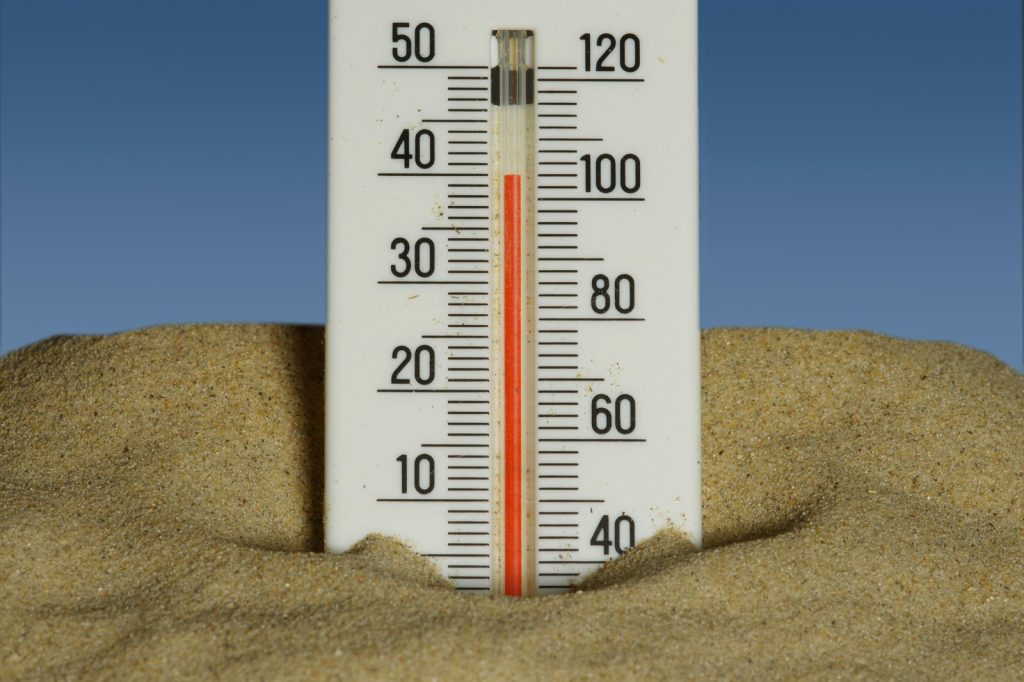
Forty degrees Celsius in Germany, the Czech Republic and Poland. That was Sunday. One thousand three hundred excess deaths across Europe since June 21.
That is the tally so far, from the World Health Organization. One thousand of those deaths are in France alone.
That is 1,000 people above the normal mortality count for the period. French towns hit 44 degrees Celsius — 111.2 degrees Fahrenheit — in at least one location. The average temperature over the preceding days sat at 29.8C, or 85.6F.
That is not a spike. That is a sustained siege.
France has heatwave alert systems. They have been in place for years. The excess death figure of 1,000 suggests the alarms are not stopping people from dying.
Something else is failing. The WHO called the 1,300 figure a warning, not a final tally. Excess deaths measure the gap between observed mortality and what would normally be expected for that period.
When that gap widens, it signals systemic failure — in healthcare, in housing, in urban planning. That is the language the WHO used: systemic failure.
The heatwave started June 21. By June 29, transport was disrupted. Infrastructure buckled.
Then came the storms. Parts of France got severe weather after the heat.
That pattern is becoming familiar, the report notes. Early-summer heatwaves are arriving hotter than before. The consequences — illness, death, infrastructure collapse — are compounding.
One thousand excess deaths in France. That is a number that demands a hard look at what happens after the alert goes out. Retrofitting buildings.
Ensuring cooling centres are accessible. Protecting outdoor workers.
Those are not quick fixes. They cost money. But the alternative is more bodies.
The mechanics matter more than the headline. The 1,300 deaths are not a freak event.
They are the predictable result of a system that has not adapted fast enough. European governments know another heatwave is coming. The question is what the response costs — and whether they are willing to pay it.
Germany, the Czech Republic and Poland saw 40C on Sunday. France saw 44C. The average in France was 29.8C.
Those are numbers. The 1,000 excess deaths in France are also numbers.
They are connected. Heat kills. It kills when buildings trap heat.
It kills when people cannot get to cool spaces. It kills when outdoor workers have no choice but to keep working.
The WHO said the 1,300 figure is a warning. That means the real number is likely higher. Excess deaths are counted after the fact.
The heatwave ended, but the counting continues. The storms came after the heat. That is the new normal.
Hotter summers, then violent weather. Infrastructure that was not built for this.
France has had heatwave alert systems for years. The 1,000 excess deaths suggest the alerts alone are not enough. The real work is in retrofitting buildings, ensuring cooling centres are accessible, and protecting outdoor workers.
Those are not quick fixes. They cost money.
But the cost of not doing them is measured in lives. One thousand three hundred excess deaths since June 21. That is the number European governments have to work with.
It is not a final tally. It is a warning. The question is whether they will act on it before the next heatwave hits.
{“@context”: “https://schema.org”, “@type”: “NewsArticle”, “headline”: “WHO reports 1,300 excess deaths in Europe amid record heatwave”, “description”: “Forty degrees Celsius in Germany, the Czech Republic and Poland. That was Sunday. One thousand three hundred excess deaths across Europe since June 21. That…”, “datePublished”: “2026-06-29T14:33:00+00:00T09:30:00+00:00”, “author”: {“@type”: “Person”, “name”: “Maria Romano”}, “publisher”: {“@type”: “Organization”, “name”: “InfoPulse Today”, “url”: “https://newsfeed.infopulsetoday.com/”}}




