
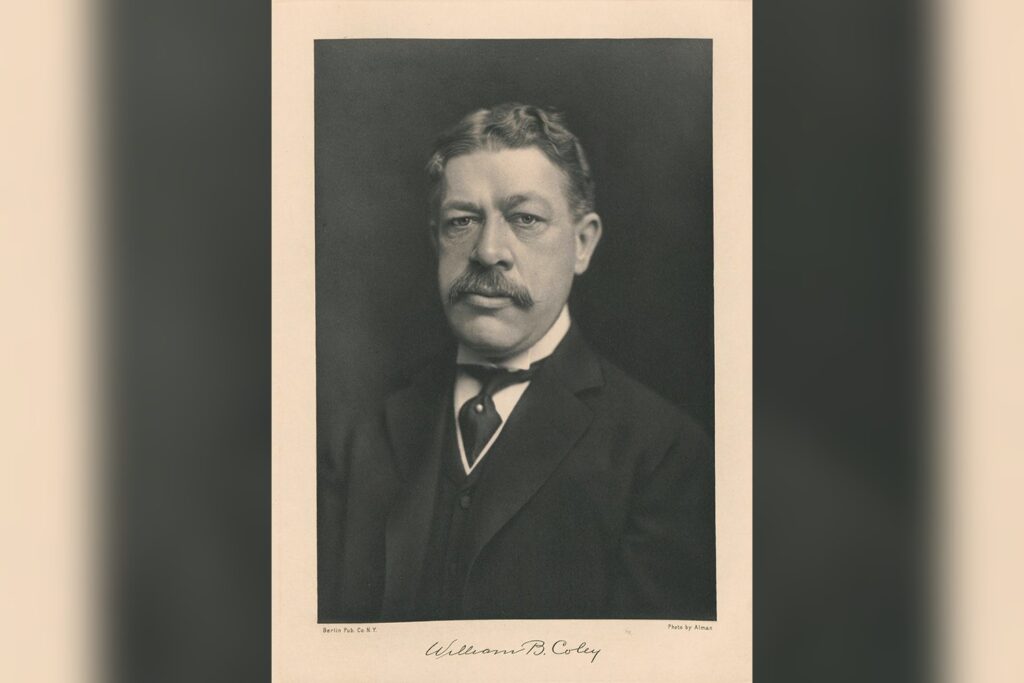
NEW YORK, July 5 — In a Manhattan cancer ward this week, the story of modern immunotherapy reads like a detective novel that began more than a century ago. It starts in the 1890s, when a New York surgeon named William Coley injected bacteria directly into tumors. He was trying to provoke the body’s own defenses, and sometimes it worked.
Coley achieved occasional remissions, though he never fully understood why. The scene shifts to the 1950s, when researchers Burnet and Thomas proposed the idea of cancer immunosurveillance.
For decades, the concept remained controversial. By the 1970s, scientists discovered interferons and interleukins, signaling molecules that could rally immune cells. High-dose IL-2 was approved for metastatic melanoma in 1998.
But the real breakthrough came in the 1990s, with the identification of immune checkpoints CTLA-4 and PD-1. On the ground at MD Anderson, James Allison was working on CTLA-4.
Across the Pacific at Kyoto University, Tasuku Honjo was pursuing PD-1. Their parallel discoveries led to a new class of drugs. Ipilimumab, targeting CTLA-4, was approved in 2011.
PD-1 inhibitors followed in 2014. The two researchers shared the 2018 Nobel Prize in Physiology or Medicine for their discovery of cancer therapy by inhibition of negative immune regulation. Residents describe the arrival of checkpoint inhibitors as a seismic shift.
Patients with advanced melanoma, once given months to live, began surviving years. Then came CAR-T cell therapy.
Building on work by Carl June and others in the 2000s, this approach engineers a patient’s own T-cells to recognize and attack cancer. Tisagenlecleucel, sold as Kymriah, was approved in 2017 for pediatric acute lymphoblastic leukemia. By nightfall of that decision, families who had exhausted every other option suddenly had a new one.
The pace of discovery is accelerating. What began with a surgeon’s hunch in the 1890s has become a standard pillar of cancer treatment.
Researchers now ask: which combination of immunotherapies works best for which patient? How do we make these treatments accessible to more people? The answer, by all accounts, is still unfolding.
But the direction is clear. Consult your doctor for medical advice.
{“@context”: “https://schema.org”, “@type”: “NewsArticle”, “headline”: “History of Cancer Immunotherapy: Coley’s Toxins to Checkpoint Inhibitors”, “description”: “NEW YORK, July 5 — In a Manhattan cancer ward this week, the story of modern immunotherapy reads like a detective novel that began more…”, “datePublished”: “2026-07-05T09:30:00+00:00”, “author”: {“@type”: “Person”, “name”: “Isabella Moore”}, “publisher”: {“@type”: “Organization”, “name”: “InfoPulse Today”, “url”: “https://newsfeed.infopulsetoday.com/”}}




