
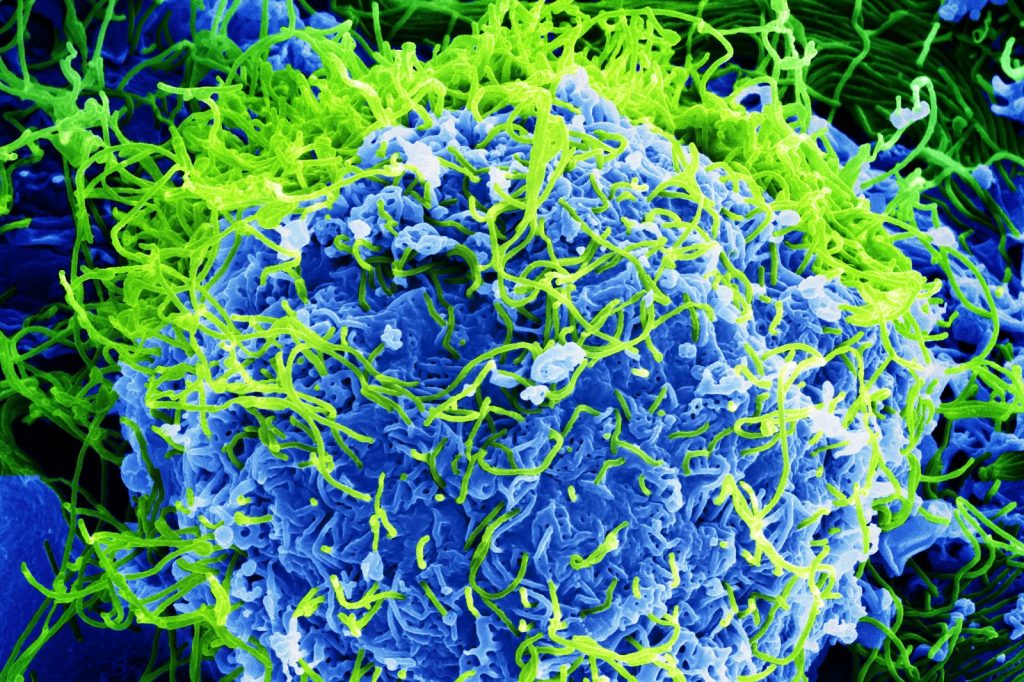
A new epidemic of Ebola disease has been reported in the Ituri Province of the Democratic Republic of the Congo, marking the 17th outbreak in the country. This latest outbreak comes just five months after the previous one ended, and it has already started to spread to other areas, with imported cases reported in the capital city of Kinshasa, North Kivu Province, and Uganda’s capital city of Kampala.
The World Health Organization is closely monitoring the situation, and on 16 May 2026, it declared the epidemic a Public Health Emergency of International Concern. The epidemic is caused by the Bundibugyo ebolavirus, which makes response efforts more complicated due to the lack of proven vaccines and treatments for this specific strain.
Existing Ebola treatments are designed for the Zaire ebolavirus, not the Bundibugyo ebolavirus. As of 19 May 2026, there have been 543 suspected cases and at least 131 deaths reported. British scientists have estimated that the true number of infections could be between 400 and 800, and potentially exceeding 1,000.
These numbers are likely to change as the situation develops, but they give an indication of the severity of the outbreak. Despite the challenges posed by the Bundibugyo ebolavirus, researchers are working tirelessly to find effective treatments and vaccines.
The fact that the World Health Organization has declared the epidemic a Public Health Emergency of International Concern highlights the gravity of the situation and the need for a coordinated international response. This declaration will likely lead to increased funding and resources being allocated to combat the outbreak. With the help of modern technology and research, there is hope that the outbreak can be brought under control and that effective treatments can be found.
The spread of the epidemic to other areas, including Kinshasa and Kampala, is a cause for concern. However, it also highlights the importance of international cooperation and coordination in responding to public health emergencies. The fact that imported cases have been reported in these cities shows that the virus can spread quickly, but it also means that health authorities are aware of the situation and are taking steps to contain it.
As the situation develops, it will be important to watch how the international community responds and whether the outbreak can be brought under control. As researchers and health authorities work to combat the outbreak, they are faced with significant challenges.
The lack of proven vaccines and treatments for the Bundibugyo ebolavirus means that they have to rely on other methods to control the spread of the disease. This includes tracing contacts, isolating suspected cases, and providing supportive care to those who are infected. While these methods can be effective, they are often time-consuming and resource-intensive, which can make it difficult to respond quickly to an outbreak.
Despite these challenges, there is hope that the outbreak can be brought under control and that the international community can work together to find effective solutions. Looking ahead, it will be important to watch how the situation develops and whether the international community can come together to find effective solutions to the outbreak.
The declaration of the epidemic as a Public Health Emergency of International Concern is a significant step, and it will be important to see how this leads to increased funding and resources being allocated to combat the outbreak. With the help of modern technology and research, there is hope that the outbreak can be brought under control and that effective treatments can be found.
As the situation continues to unfold, one thing is clear: the international community must work together to respond to this public health emergency. Consult your doctor for medical advice.
{“@context”: “https://schema.org”, “@type”: “NewsArticle”, “headline”: “2026 Ituri Province Ebola epidemic”, “description”: “A new epidemic of Ebola disease has been reported in the Ituri Province of the Democratic Republic of the Congo, marking the 17th outbreak in…”, “datePublished”: “2026-05-15T09:30:00+00:00”, “author”: {“@type”: “Person”, “name”: “Merry Gel Sigui”}, “publisher”: {“@type”: “Organization”, “name”: “InfoPulse Today”, “url”: “https://newsfeed.infopulsetoday.com/”}, “image”: “https://upload.wikimedia.org/wikipedia/commons/c/cc/Map_of_the_Ituri_Province_Ebola_outbreak.png”}




