
New findings from the Indiana University School of Medicine, published July 14, 2026, sharpen the focus on timing in bowel cancer care, particularly for patients under 50. The study shows that starting treatment within four days of diagnosis yields significantly better outcomes, while any delay beyond 45 days raises the risk of metastasis by 55% compared to immediate intervention.
Researchers concentrated on younger patients because this demographic has seen a troubling rise in bowel cancer cases, a shift that challenges long-held assumptions about the disease.
The Biology and Rising Threat of Bowel Cancer in Younger Adults
Bowel cancer, also known as colorectal cancer, originates as uncontrolled malignant growths in the colon or rectum — parts of the large intestine. The disease typically begins as a benign polyp that transforms into cancer over time. Most cases are driven by lifestyle and dietary factors rather than inherited conditions, which account for only a small share of diagnoses.
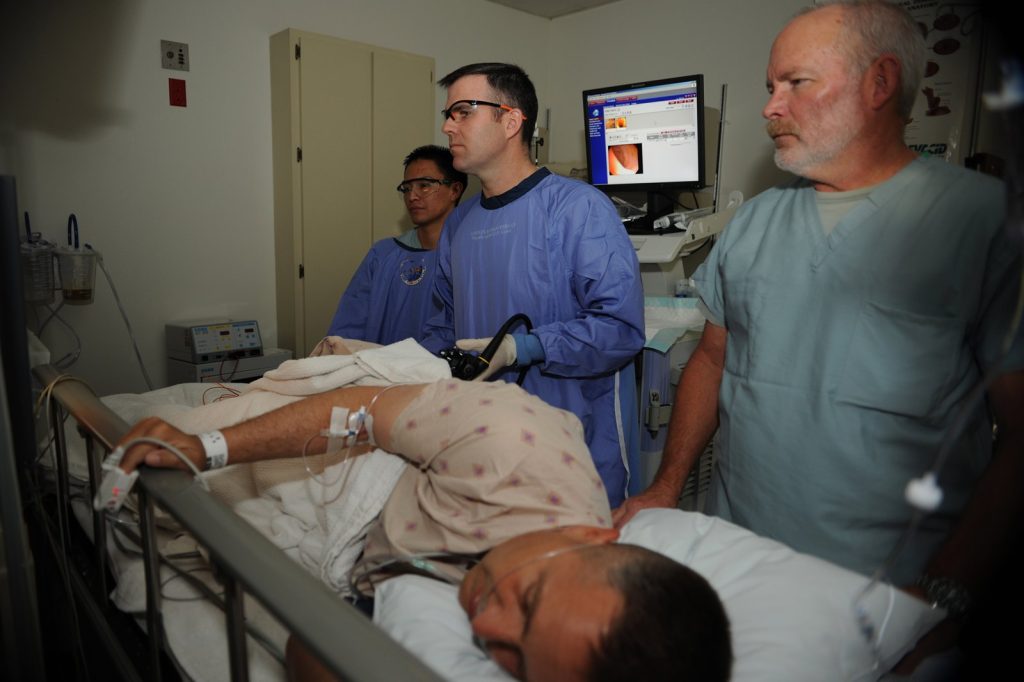
Historically, screening was recommended starting in middle age, but as cancers began appearing more frequently in younger adults, guidelines were revised to lower the starting age. Diagnosis relies on colonoscopy and imaging to determine whether the cancer has spread.
Treatment combines surgery, radiation, chemotherapy, and targeted drugs, and curability depends heavily on how contained the tumor remains at the time of discovery. Bowel cancer ranks among the most common cancers worldwide and is more prevalent in wealthier nations. The rising incidence in people under 50 gives the new timing findings immediate weight — readers in that age group should understand that delays in care can alter outcomes that were once considered stable for the young.
Survival Data and the Case for Rapid Intervention
The numbers from the Indiana research are stark. Among early-stage patients, 93% survive for five years.
For those diagnosed at a later stage, that figure drops to 59%. These survival rates underscore why early detection alone is insufficient if swift treatment does not follow. The study emphasized that early treatment is vital, and its data make a compelling case for health systems to prioritize rapid referral and treatment pathways. The finding that delays beyond 45 days increase metastasis risk by 55% should prompt hospitals and clinics to re-examine their scheduling protocols.
The researchers did not specify which treatments were involved in the study, but the core conclusion — that speed matters enormously — is applicable across different healthcare settings. For young patients facing a bowel cancer diagnosis, the window for optimal outcomes is narrow, measured in days rather than weeks.
Implications for Healthcare Systems and Patients
The decision to focus exclusively on patients under 50 is significant because bowel cancer has historically been regarded as a disease of older adults. Rising incidence among younger people has alarmed oncologists worldwide, and the Indiana University study provides concrete data on how treatment timing affects this specific group. The study did not announce follow-up research, but its findings raise important questions about how quickly diagnosis can be translated into action.
Hospitals and clinics may need to adjust schedules to accommodate urgent cases, and public health messaging should reinforce that young adults with symptoms should not delay seeking care. The research was conducted by a team at the Indiana University School of Medicine, a respected institution in U.S. medical research.
For individuals concerned about bowel cancer, consultation with a physician remains the appropriate step. This study does not replace medical advice but adds a strong data point for patients and providers alike: when it comes to bowel cancer in younger adults, time is a decisive factor in the fight against the disease.
{“@context”: “https://schema.org”, “@type”: “NewsArticle”, “headline”: “Timely treatment key in under-50 bowel cancer cases”, “description”: “INDIANAPOLIS, July 15 — New findings from the Indiana University School of Medicine, published July 14, 2026, sharpen the focus on timing in bowel cancer…”, “datePublished”: “2026-07-15T09:30:00+00:00”, “author”: {“@type”: “Person”, “name”: “Erika Johnson”}, “publisher”: {“@type”: “Organization”, “name”: “InfoPulse Today”, “url”: “https://newsfeed.infopulsetoday.com/”}}




