
NEW YORK, July 18 — 28 million tonnes. That is the figure that matters for global lettuce and chicory production in 2023, and China grew 53% of it. The bottom line for consumers: that same leafy green, eaten raw in salads, sandwiches, and wraps, is also a common source of bacterial, viral, and parasitic outbreaks in humans — including E. coli and Salmonella.
Investors will note the scale: lettuce has moved from an ancient oil-seed crop to a worldwide staple, but the health risks attached to contaminated product remain a persistent problem.
Production Numbers
By the numbers, the 28-million-tonne harvest in 2023 marks the latest tally for lettuce and chicory globally. China leads by a wide margin, accounting for more than half of total output. Europe and North America, which originally dominated the market, now share a smaller slice as consumption has spread worldwide since the late 20th century.
Originally farmed by the ancient Egyptians, lettuce was transformed from an oil-seed plant into a leaf crop. The Romans gave it the name lactuca, from Latin lac meaning milk, referring to the latex exuded by cut stems.
The English word lettuce derives from that. By 50 AD many types were described, and it appeared in medieval writings and herbals. From the 16th to 18th centuries, numerous varieties developed in Europe, and by the mid-18th century cultivars still found in modern gardens were described.
The name romaine refers to lettuce grown in Roman papal gardens; cos refers to early European seeds from the Greek island of Kos, a center of Byzantine-period lettuce farming. Carl Linnaeus first described the species Lactuca sativa in 1753 in Species Plantarum.
Lettuce is closely related to L. serriola, the common wild or prickly lettuce — an aggressive weed in temperate and subtropical zones. Its native range spreads from the Mediterranean to Siberia. The species crosses easily within Lactuca, a trait used to broaden the gene pool of cultivated varieties.
Cultivation Challenges
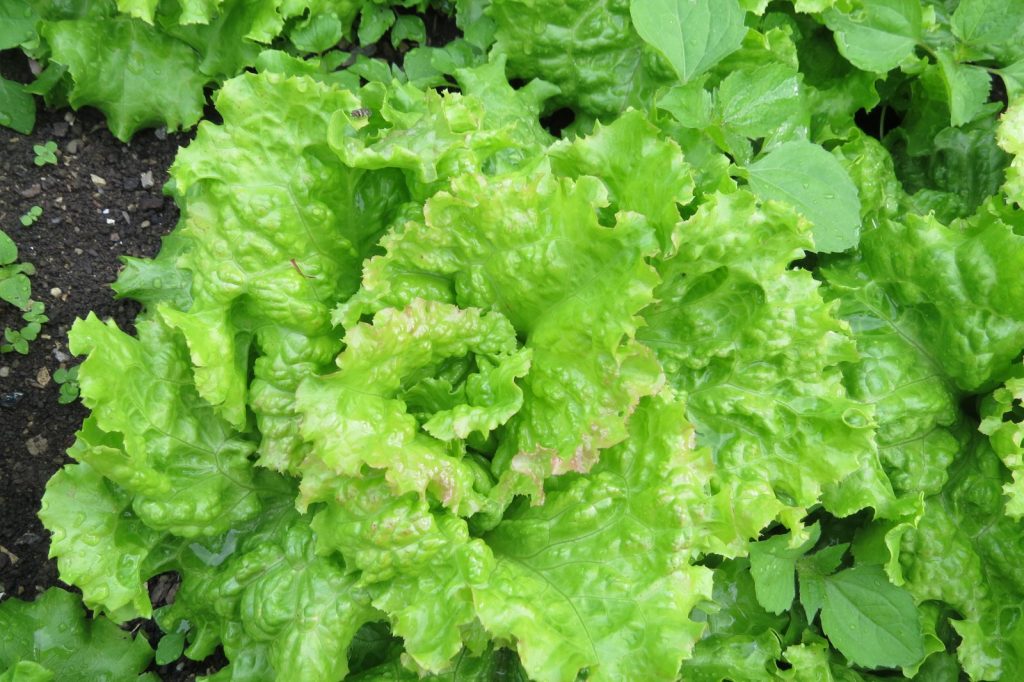
Lettuce is generally grown as a hardy annual, easily cultivated but requiring relatively low temperatures to prevent early flowering. It is susceptible to nutrient deficiencies, insect and mammal pests, and fungal and bacterial diseases. Plants typically reach 15–30 cm in height and spread, with leaves in green and red color spectrums, including variegated, yellow, gold, or blue-teal varieties.
The stem and seeds are sometimes used; the variety celtuce (asparagus lettuce) is grown for its stems.
Health Risks
Critically, contaminated lettuce is a common source of bacterial, viral, and parasitic outbreaks in humans, including E. coli and Salmonella. Given the volume of global production and the fact that lettuce is most often eaten raw — without cooking to kill pathogens — the risk is baked into the supply chain. Historically, lettuce has had religious and medicinal significance, but modern public-health attention focuses squarely on outbreak prevention. Consult your doctor for medical advice.
Sources
{“@context”: “https://schema.org”, “@type”: “NewsArticle”, “headline”: “Lettuce Linked to Parasitic Outbreaks Through History to Today”, “description”: “NEW YORK, July 18 — 28 million tonnes. That is the figure that matters for global lettuce and chicory production in 2023, and China grew…”, “datePublished”: “2026-07-18T09:30:00+00:00”, “author”: {“@type”: “Person”, “name”: “Ava Anderson”}, “publisher”: {“@type”: “Organization”, “name”: “InfoPulse Today”, “url”: “https://newsfeed.infopulsetoday.com/”}, “citation”: [{“@type”: “CreativeWork”, “url”: “https://en.wikipedia.org/wiki/Lettuce”}]}




