
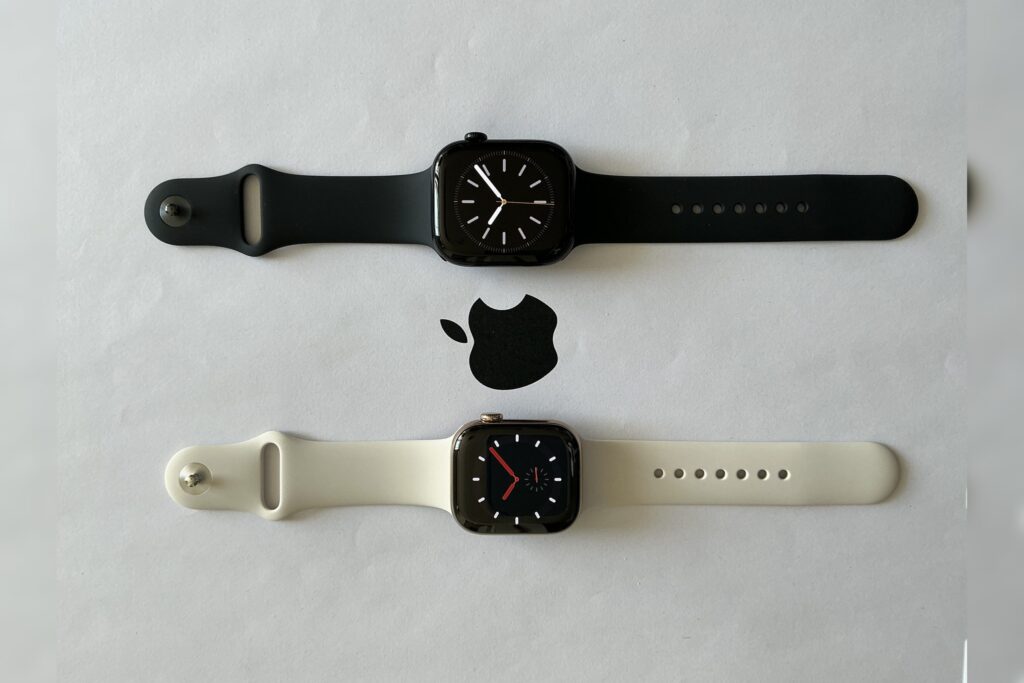
COPENHAGEN, May 23 — The smartwatch on your wrist is probably lying to you about how many calories you just burned, and a new University of Copenhagen study puts a number on the gap. Researchers tested six of the most widely used smartwatch models against a metabolic cart — the gold-standard laboratory equipment that measures oxygen consumption and carbon dioxide production to calculate energy expenditure — and found the devices overestimated energy expenditure by an average of 15% during exercise. The worst performer was off by 25%.
Fifty healthy adults — 28 men and 22 women, average age 32 — completed a standardized 30-minute cycling protocol at moderate intensity. Each participant wore all six watches simultaneously while the metabolic cart measured their actual calorie burn.
The watches tested were the Apple Watch Series 8, Garmin Venu 2, Polar Vantage V2, Samsung Galaxy Watch5, Fitbit Sense 2, and Withings ScanWatch. The Apple Watch Series 8 came closest to the laboratory measurement, overestimating by an average of 8%. The Fitbit Sense 2 was the least accurate at 25%.
In between: the Garmin Venu 2 at 12%, the Polar Vantage V2 at 14%, the Samsung Galaxy Watch5 at 18%, and the Withings ScanWatch at 20%.
Why the numbers matter
The watches rely on heart rate and accelerometer data to estimate energy expenditure, and those algorithms are not as precise as laboratory measurements. Dr. Maria Jensen, an exercise physiologist at the University of Copenhagen and the study’s lead author, said the discrepancies could lead users to overeat if they rely on calorie burn estimates to guide food intake, potentially undermining weight-loss efforts. The findings, published in the journal npj Digital Medicine, add to a growing body of research questioning the accuracy of wearable health devices.
The authors recommend that consumers treat smartwatches as a general guide rather than a precise tool for calorie counting, and that manufacturers improve transparency about the limitations of their algorithms. The study arrives as the category keeps expanding.
An estimated 200 million smartwatch units were sold worldwide in 2024, according to market research firm Statista, and the global smartwatch market is projected to reach $100 billion by 2028. Watch this space. The next round of wearable algorithms will have to answer for the gap between what a wrist can sense and what a metabolic cart can measure — and the companies that close it first will have a real story to tell.




