
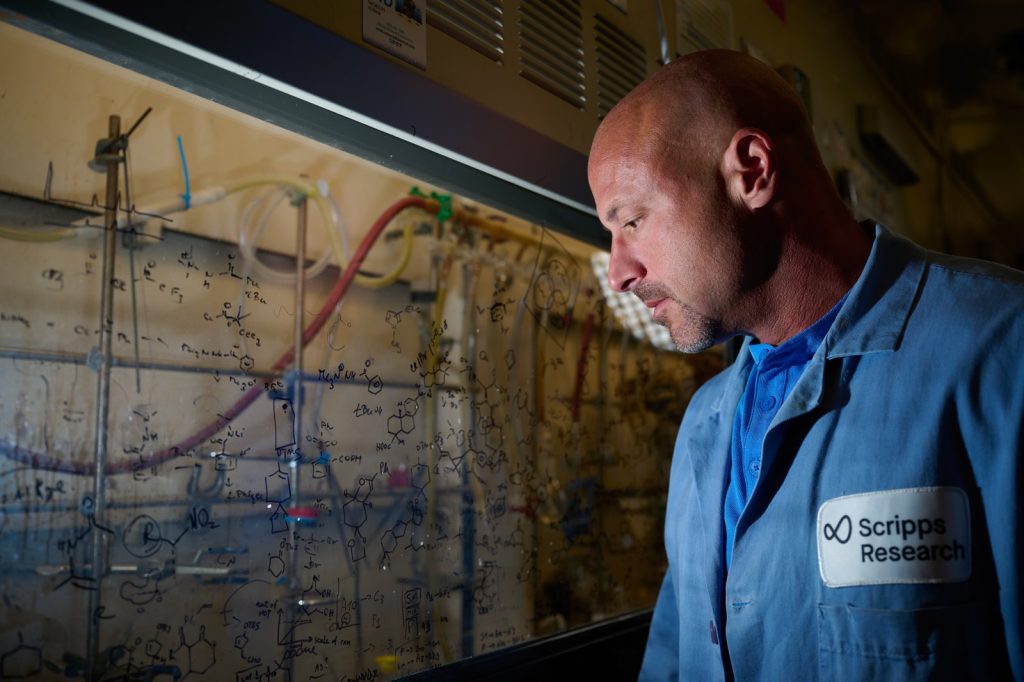
LA JOLLA — The National Institute on Drug Abuse, the largest funder of research on drug use and addiction in the world, has been backing a novel approach to the opioid crisis: a vaccine candidate designed to block fentanyl from reaching the brain. The research, led by Dr. Kim D. Janda at the Scripps Research Institute in La Jolla, California, was published in the Journal of the American Chemical Society on November 14, 2022.
The vaccine is still in preclinical development, meaning it has not yet been tested in humans. Further testing is required before it can be evaluated in human clinical trials.
NIDA, which is part of the National Institutes of Health, operates on an annual budget of over $1.5 billion. The institute has supported numerous studies on vaccines for substance use disorders, including nicotine, cocaine, and opioids. This particular project reflects a strategic priority to develop novel biomedical interventions for opioid use disorder, a key component of the U.S. Department of Health and Human Services’ Overdose Prevention Strategy.
NIDA Director Dr. Nora Volkow has emphasized the need for a range of tools, including vaccines, to address the opioid crisis. The vaccine trains the immune system to recognize fentanyl as a foreign invader, producing antibodies that bind to the drug in the bloodstream before it can cross the blood-brain barrier.
This prevents the euphoric high that drives addiction and, critically, the respiratory depression that causes fatal overdoses. The opioid crisis claimed over 107,000 lives in the U.S. in 2021. As ever, the challenge with any vaccine for substance use is that it does nothing to address the psychological and social drivers of addiction.
It is a tool, not a cure. The Scripps team’s candidate works by targeting fentanyl itself, rather than the opioid receptors in the brain. This specificity means it should not interfere with other opioid-based painkillers, a crucial consideration for patients who may need pain management for surgery or chronic conditions.
The vaccine is still in the preclinical phase. The next steps involve toxicology studies and manufacturing scale-up before the U.S. Food and Drug Administration would consider an application for human trials.
NIDA’s funding for this project reflects its broader portfolio of research into biomedical interventions. NIDA’s support for the fentanyl vaccine is part of a larger push by the HHS Overdose Prevention Strategy, which seeks to combine prevention, treatment, and harm reduction. Dr. Volkow has been a vocal advocate for expanding the toolkit available to clinicians and public health officials.
The opioid crisis, which claimed over 107,000 lives in the U.S. in 2021, has driven demand for novel approaches. While medications like buprenorphine and methadone remain the standard of care for opioid use disorder, they do not work for every patient, and access remains uneven.
A vaccine, if proven safe and effective, could offer an additional layer of protection for people at high risk of overdose. The research community will be watching for the results of the next phase of testing. For now, the vaccine remains a promising but unproven candidate in the fight against a crisis that shows no signs of abating. Consult your doctor for medical advice.
Sources
{“@context”: “https://schema.org”, “@type”: “NewsArticle”, “headline”: “NIDA Funds Fentanyl Vaccine Research with New Support”, “description”: “LA JOLLA — The National Institute on Drug Abuse, the largest funder of research on drug use and addiction in the world, has been backing…”, “datePublished”: “2026-07-13T09:30:00+00:00”, “author”: {“@type”: “Person”, “name”: “Sebastian Smith”}, “publisher”: {“@type”: “Organization”, “name”: “InfoPulse Today”, “url”: “https://newsfeed.infopulsetoday.com/”}, “citation”: [{“@type”: “CreativeWork”, “url”: “https://en.wikipedia.org/wiki/National_Institute_on_Drug_Abuse”}]}




