
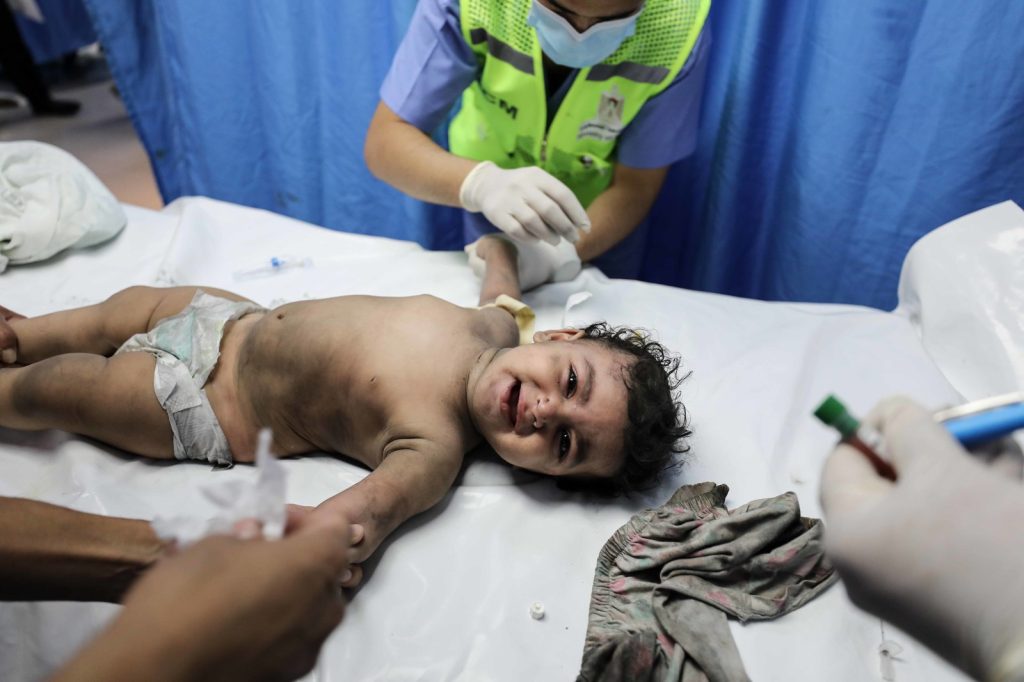
In the summer of 2024, an unexpected health crisis unfolded in the Gaza Strip, marking a grim resurgence of polio – a disease thought to have been eradicated from the region 25 years prior. The outbreak, identified as circulating vaccine-derived poliovirus type 2 (cVDPV2), was first detected on July 16, and was subsequently declared an epidemic by the Gaza health ministry on July 29.
This revelation sparked concerns among global health authorities, as it signified the first reported case of poliovirus in the Gaza Strip since the virus’s eradication. The Gaza health ministry warned that the epidemic posed a substantial threat to the citizens of Gaza and neighboring countries, and represented a setback to the global polio eradication program. The challenges in detecting polio cases in the Gaza Strip are significant.
The virus is often asymptomatic, making it difficult to identify infected individuals. Additionally, Israeli medical blockades have obstructed the confirmation of cases, impeding the response of health authorities to the outbreak.
Despite these hurdles, a polio infection was confirmed in tests conducted in Jordan on August 16, located within the central Gaza Strip. This confirmation, though difficult to obtain, has underscored the gravity of the situation. The United Nations has reported a case of paralysis in a 10-month-old baby, highlighting the devastating impact of the epidemic. In an effort to combat the outbreak, the World Health Organization (WHO) and other global health authorities are collaborating closely with local health authorities in Gaza.
The Gaza health ministry has called for increased support and resources to effectively manage the crisis. In a positive development, on August 29, 2024, Israel made a preliminary commitment to pause fighting, potentially facilitating the delivery of humanitarian aid and medical supplies to the affected areas.
This commitment, if honored, could alleviate the suffering of those affected by the epidemic and aid the efforts of health authorities in containing the outbreak. As the situation continues to develop, it is crucial to monitor the response of local and global health authorities to the epidemic. The ability of health authorities to detect and respond to polio cases, as well as the effectiveness of measures to prevent further spread of the virus, will be pivotal in determining the outcome of the outbreak.
The international community will be closely observing the progress and actions taken to address the crisis and prevent future outbreaks.
Related Stories
Polio Epidemic Declared in Gaza After 25 Years Free Gaza: Health Ministry Declares Polio Epidemic After 25 Years #PolioEpidemicHits #GazaStrip #Years #Health #News




