
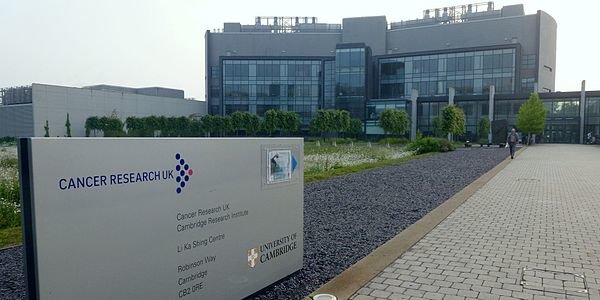
Cancer Research UK has been tracking how Britons handle potential cancer symptoms for years. The charity’s latest data, released this week, confirms a stubborn pattern: people are still waiting too long. Nearly a third of adults who noticed one of eight “red flag” signs did not see their GP within six months.
Among those who did get an appointment, 43% never went back when their symptoms persisted. The numbers come from the charity’s ongoing partnership with Tesco, a scheme that trains pharmacists to spot warning signs and nudge people toward medical help.
The eight symptoms are not subtle. A changing mole. An unexplained lump.
Bleeding between periods or after sex or after menopause. A sore that will not heal.
Blood in urine or stool. Trouble swallowing. Weight loss without trying.
Coughing up blood. Most people with these symptoms do not have cancer. Over 90% of urgent GP referrals turn out to be something else.
But early diagnosis changes outcomes. Less invasive treatment.
Better survival odds. The window for catching it early is narrow, and it closes fast. So why do people stall?
Cancer Research UK’s figures point to three main reasons. Difficulty booking an appointment.
A decision to manage the symptom alone. Or simply having other things to worry about. Michelle Mitchell, the charity’s chief executive, put it bluntly: nearly one in two people will get cancer in their lifetime.
That makes early spotting a matter of simple arithmetic. The Tesco partnership is one attempt to lower the barriers. Pharmacists in participating stores have received special training.
The idea is to make help more accessible than a GP appointment, which can take days or weeks to secure. A pharmacy is open.
It is on the high street. You can walk in without a booking. But the scheme only reaches people who walk through those doors.
The broader problem — a third of people ignoring symptoms for half a year — suggests the real obstacles run deeper. Fear.
Denial. The sense that a lump or a cough can wait. The charity did not release the raw sample size or methodology behind its figures.
It did not break down the data by age, gender, or region. What it offered was the headline, and the warning. Britain’s cancer survival rates have improved over the past decade.
But they still lag behind comparable countries. Late diagnosis is a major reason.
The new data suggests that gap will not close without a shift in public behaviour — and in the system that is supposed to catch people before they fall through. The eight symptoms are not guarantees of cancer. They are flags.
A reason to check. The research says too many people are leaving those flags flying for six months or more.
Mitchell did not mince words. “Nearly one in two of us will be diagnosed with cancer in our lifetime,” she said. “That’s why it’s so important to spot cancer early — when treatment is more likely to be successful.” The Tesco pharmacists can help.
But they cannot make people come in. That part is still up to the person who notices the lump, the blood, the weight that keeps dropping.
{“@context”: “https://schema.org”, “@type”: “NewsArticle”, “headline”: “Nearly a third of adults delay seeking help for cancer symptoms, charity finds”, “description”: “Cancer Research UK has been tracking how Britons handle potential cancer symptoms for years. The charity’s latest data, released this week, confirms a stubborn pattern:…”, “datePublished”: “2026-06-29T14:05:15+00:00T09:30:00+00:00”, “author”: {“@type”: “Person”, “name”: “Beatrice Ferrari”}, “publisher”: {“@type”: “Organization”, “name”: “InfoPulse Today”, “url”: “https://newsfeed.infopulsetoday.com/”}}




