
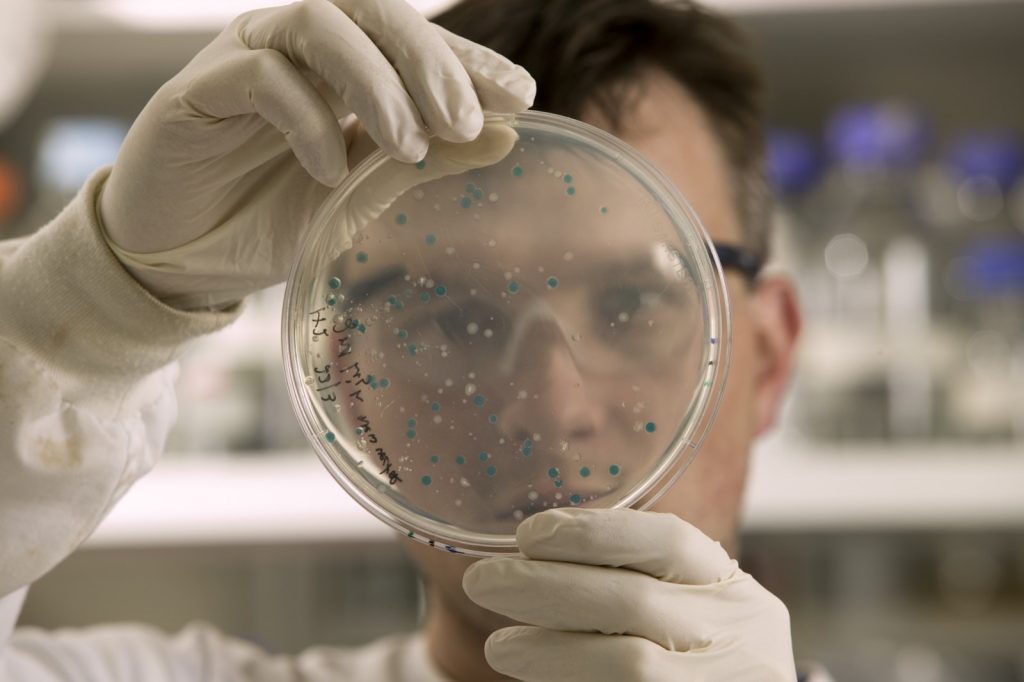
The arc of antibiotic development, stretching from ancient folk remedies to sophisticated synthetic drugs, now presses against a stark reality that health officials describe as a direct threat to the foundations of modern medicine. The capacity to treat bacterial infections, which transformed surgery, cancer care, and the management of once-fatal diseases, faces erosion from microbial evolution that has already outpaced pharmaceutical innovation for decades.
A Legacy Built Over Centuries
The concept of using mold to fight infection dates to antiquity. Historical evidence shows that ancient Egyptians and Chinese applied moldy bread to wounds, while ancient Sudanese societies consumed antibiotics through fermented grain beverages. Civilizations in Egypt, China, Greece, and Rome all recorded similar practices. In 1871, British surgeon Joseph Lister made a pivotal observation: mold inhibited bacterial growth.
A more systematic approach began in the late 1880s, when Paul Ehrlich started developing synthetic antibacterial science in Germany. The modern era of antibiotics began with Alexander Fleming’s 1928 discovery of penicillin.
However, the drug remained a laboratory curiosity until 1939, when Howard Florey and Ernst Chain at the University of Oxford purified and mass-produced it. The first clinical use of penicillin followed in 1941, just in time for widespread application during World War II. Selman Waksman’s discovery of streptomycin in 1943 gave medicine the first antibiotic effective against tuberculosis.
The 1950s brought tetracycline in 1948 and erythromycin in 1952. By the 1960s, synthetic quinolones joined the arsenal.
Officials confirm that this period, spanning the 1940s through the 1960s, produced most major classes of antibiotics in what is now recognized as a golden age of discovery. Antibiotics work as antimicrobial substances that kill or inhibit the growth of bacteria, treating and preventing infections. They do not work against viruses or fungi.
Their arrival allowed for safer surgeries, controlled infections that once killed routinely, and enabled treatments such as chemotherapy and organ transplantation. Over 100 antibiotics are currently in clinical use, yet the very mechanism that makes them effective also makes them vulnerable.
The Mechanism and Magnitude of Resistance
The biological battlefield of resistance is measured in microns. Bacteria evolve, adapt, and survive exposure to drugs designed to eliminate them.
This is not a theoretical risk; the record shows it is a documented reality across every continent. In the United States, the Centers for Disease Control and Prevention reports that over 2.8 million antibiotic-resistant infections occur each year, leading to 35,000 deaths. These figures represent a verified development that officials now treat with increasing seriousness. The geopolitical dimension of the problem is clear: resistant bacteria do not respect borders, and the loss of effective antibiotics would make common infections dangerous again, reversing decades of medical progress.
Despite the urgency, the pipeline for new drugs has narrowed dramatically. According to available data, only two new classes of antibiotics have been introduced since 1970: oxazolidinones in 2000 and lipopeptides in 2003.
The pace of discovery that yielded tetracycline, erythromycin, and quinolones in rapid succession has not been sustained. Since the golden age ended, the margins for error have steadily tightened.
The Strategic Question Ahead
The central challenge now facing health authorities is whether the pipeline of new antibiotics can keep pace with the evolution of resistant bacteria. With only two new classes introduced in the past five decades, the gap between medical need and pharmaceutical output continues to widen.
Officials describe this as a threat to modern medicine itself, as the ability to treat bacterial infection underpins nearly every area of advanced healthcare. For individuals, the standard advice remains unchanged: consult your doctor for medical guidance appropriate to your situation.
{“@context”: “https://schema.org”, “@type”: “NewsArticle”, “headline”: “Antibiotic Resistance Threatens Modern Medicine’s Foundations”, “description”: “LONDON, July 8 — The arc of antibiotic development, stretching from ancient folk remedies to sophisticated synthetic drugs, now presses against a stark reality that…”, “datePublished”: “2026-07-08T09:30:00+00:00”, “author”: {“@type”: “Person”, “name”: “Ariel Antonio”}, “publisher”: {“@type”: “Organization”, “name”: “InfoPulse Today”, “url”: “https://newsfeed.infopulsetoday.com/”}}




