
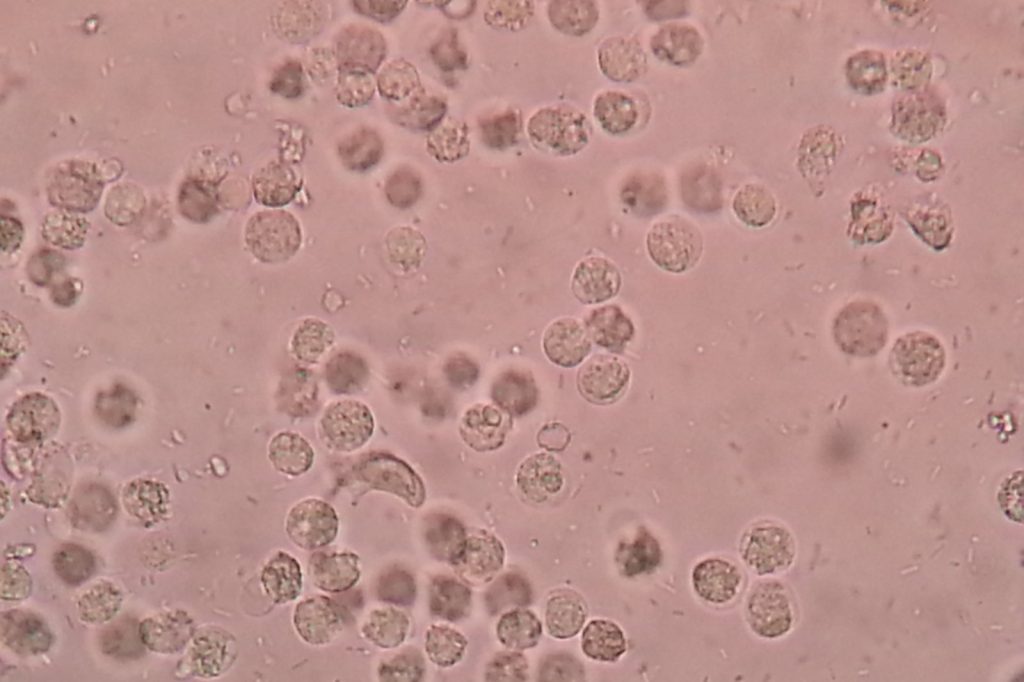
WASHINGTON, July 10 — The human immune system operates as a coordinated network of cells, tissues, and organs that defends the body against harmful pathogens including bacteria, viruses, fungi, and parasites, according to the medical record. The system is broadly divided into two subsystems. The innate immune system provides immediate, non-specific defense.
The adaptive immune system develops targeted responses over time. Key components include white blood cells such as phagocytes—macrophages and neutrophils—and lymphocytes, specifically B cells and T cells.
On the timeline of discovery, the record shows that Edward Jenner developed the smallpox vaccine in 1796. Louis Pasteur established germ theory in the 1860s. Paul Ehrlich proposed the side-chain theory in 1900.
These scientists are credited with uncovering the immune system’s mechanisms. The innate system uses physical barriers like skin and mucous membranes, as well as chemical defenses including stomach acid and antimicrobial proteins.
The adaptive system relies on antigen presentation and memory cells to recognize and remember specific pathogens, enabling faster responses upon re-exposure. Major organs involved include bone marrow, where immune cells are produced; the thymus, where T cells mature; the spleen, which filters blood; and lymph nodes, which trap pathogens. The immune system can sometimes malfunction, leading to autoimmune diseases such as rheumatoid arthritis or type 1 diabetes, or allergies.
Vaccines work by stimulating the adaptive immune system to produce memory cells without causing disease. According to the filing, modern research continues to explore immunotherapy for cancer and infectious diseases. This represents a significant area of ongoing investigation within the field of immunology.
The record shows that the immune system’s complexity involves a network of cells, tissues, and organs working together. The division between innate and adaptive subsystems provides a framework for understanding how the body mounts defenses against pathogens.
Researchers continue to build on the foundational work of Jenner, Pasteur, and Ehrlich. The development of immunotherapy represents a current frontier in medical science. Sources familiar with the research note that understanding the immune system’s mechanisms remains critical for developing new treatments and vaccines.
The record shows that the system’s ability to remember pathogens through memory cells is central to vaccine effectiveness. The ongoing exploration of immunotherapy for cancer and infectious diseases suggests that the field will continue to evolve.
The timeline of discovery, from Jenner’s vaccine in 1796 to modern immunotherapy research, demonstrates steady progress in understanding how the immune system functions. The record shows that the immune system’s components—white blood cells, physical barriers, chemical defenses, and major organs—work in concert to protect the body. When this system malfunctions, it can result in autoimmune conditions or allergic responses.
Medical researchers continue to investigate ways to harness the adaptive immune system’s memory capabilities for therapeutic purposes. The development of vaccines that stimulate memory cell production without causing disease remains a cornerstone of preventive medicine. Consult your doctor for medical advice.
{“@context”: “https://schema.org”, “@type”: “NewsArticle”, “headline”: “Human Immune System: How It Defends the Body Against Pathogens,”, “description”: “WASHINGTON, July 10 — The human immune system operates as a coordinated network of cells, tissues, and organs that defends the body against harmful pathogens…”, “datePublished”: “2026-07-10T09:30:00+00:00”, “author”: {“@type”: “Person”, “name”: “Ariel Antonio”}, “publisher”: {“@type”: “Organization”, “name”: “InfoPulse Today”, “url”: “https://newsfeed.infopulsetoday.com/”}}




