
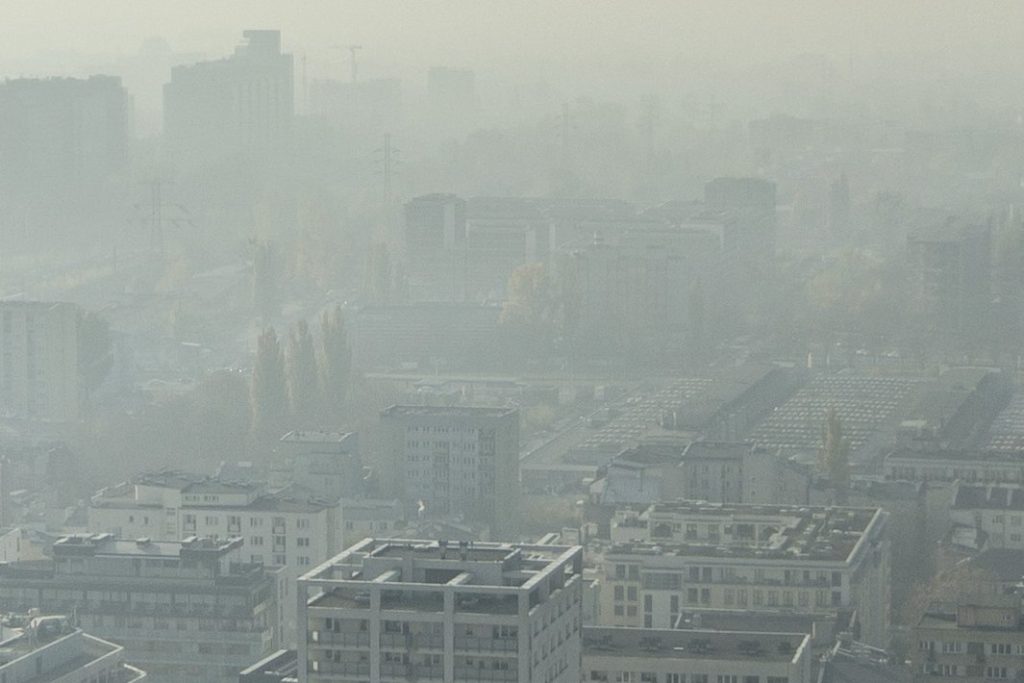
WASHINGTON, July 13 — A new scientific study directly linking fine particulate matter standards to the prevalence of autism spectrum disorder is reshaping the regulatory calculus surrounding the Clean Air Act. The research arrives as the Environmental Protection Agency continues its periodic review of the National Ambient Air Quality Standards for PM2.5, a process that will culminate in a final decision expected in 2025.
The study introduces a neurodevelopmental dimension to air quality policy, moving beyond the long-established links to respiratory and cardiovascular harm.
New Study Links PM2.5 to Autism Spectrum Disorder
The research suggests that lowering the current annual PM2.5 standard from 12 micrograms per cubic meter to 10 micrograms per cubic meter could reduce the prevalence of autism spectrum disorder by 5 to 10 percent in states with high pollution levels. This estimate provides a specific, measurable target that advocacy groups and state regulators can now cite in the ongoing policy debate.
The study’s authors recommend that states such as California and Pennsylvania, which experience elevated PM2.5 concentrations, invest in cleaner energy sources and adopt stricter vehicle emission standards to achieve reductions. PM2.5 refers to tiny particles produced by vehicles, power plants, and industrial sources. They penetrate deep into the lungs and have been linked in prior research to respiratory and cardiovascular illnesses. The new research adds a neurodevelopmental dimension to the discussion, tying prenatal exposure to autism spectrum disorder.
The Clean Air Act, originally passed in 1970 and significantly amended in 1990, provides the statutory foundation for federal air quality management and requires the EPA to set enforceable limits for pollutants deemed harmful to public health and welfare. The researchers have announced plans for a follow-up study that will use individual-level data from the Centers for Disease Control and Prevention’s National Birth Defects Prevention Study, covering the period from 1997 to 2011, to examine prenatal exposure in greater detail.
That investigation could further tighten the evidentiary link between air pollution and neurodevelopmental outcomes. The National Institute of Environmental Health Sciences has also announced a new funding opportunity dedicated to research on air pollution and neurodevelopmental disorders, with applications due by March 2025.
Regulatory Landscape and Historical Context
The Clean Air Act’s history traces back to the mid-20th century. The original Air Pollution Control Act of 1955 provided limited federal research funding but left primary authority with the states. Congress enacted the Clean Air Act itself in 1963, establishing a federal role in setting air quality criteria and supporting state implementation. Major revisions in 1970 and 1990 fundamentally reshaped the law, shifting from a cooperative model to a nationwide framework of enforceable standards, deadlines, and federal oversight.
Those amendments created the National Ambient Air Quality Standards program, which requires the EPA to set limits for pollutants and to review those standards periodically as scientific understanding evolves. Since the 1990 amendments, the agency has been required to revisit standards at least every five years.
The current review of the annual PM2.5 standard is the latest in that series. It reflects advances in toxicology and epidemiology, and its outcome will shape national air quality policy, state implementation plans, industry compliance strategies, and public health priorities. The new research adds a neurodevelopmental consideration to what has traditionally been a debate focused on lung and heart health.
The EPA’s final decision in 2025 will be the definitive test of whether this emerging evidence translates into regulatory action.
Future Research and Policy Watchpoints
Several milestones lie ahead. The NIEHS funding cycle closes in March 2025, which will determine whether new projects examining air pollution and neurodevelopmental disorders receive federal support.
The planned follow-up study using CDC birth defects data may produce results that strengthen the evidentiary chain. And the EPA’s 2025 decision on the PM2.5 standard stands as the next major inflection point, one that will determine whether the Clean Air Act’s regulatory power expands to address a broader range of health outcomes. The study’s 5 to 10 percent reduction estimate gives both environmental advocates and state regulators a concrete benchmark as they prepare for that decision.




