
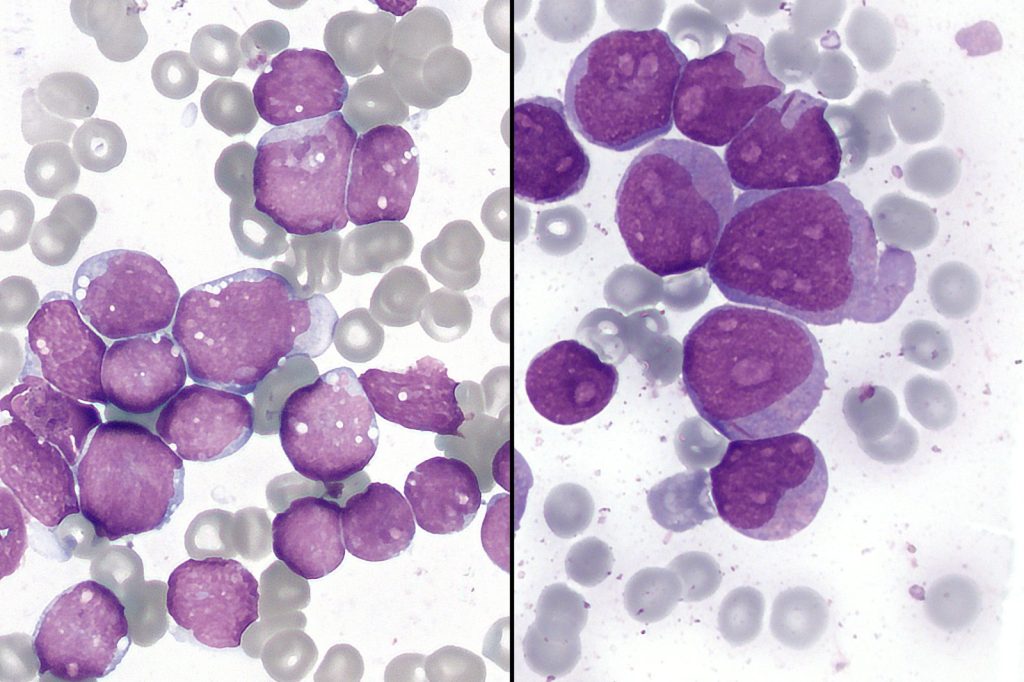
MANILA, July 7 — For families across the region watching loved ones battle blood cancers that keep returning, a new treatment option has arrived that could change the conversation. The U.S. Food and Drug Administration approved a new CAR-T cell therapy, lisocabtagene maraleucel — sold under the brand name Breyanzi — for adult patients with relapsed or refractory chronic lymphocytic leukemia or small lymphocytic lymphoma.
The decision came on March 15, 2024, and expands the ranks of these engineered cell therapies now available to patients who have run out of standard options.
How it works, and what the numbers show
CAR-T cell therapy is a form of immunotherapy where a patient’s own T cells are collected, genetically engineered in a lab to express a chimeric antigen receptor targeting CD19 on cancer cells, and then infused back into the patient. It is not chemotherapy. It is not a daily pill.
It is a living drug made from the patient’s own immune system. The approval was based on a Phase 1/2 clinical trial called TRANSCEND CLL 004, which enrolled 117 patients.
The results showed an overall response rate of 83 percent and a complete remission rate of 20 percent. For communities in Asia where access to cutting-edge cancer therapies has historically lagged behind the United States and Europe, these numbers carry real weight. Chronic lymphocytic leukemia and small lymphocytic lymphoma are slow-growing blood cancers that often recur after initial treatment, leaving patients and their families searching for next steps.
The therapy was first approved in the U.S. in 2017 for certain B-cell lymphomas and acute lymphoblastic leukemia. As of 2024, six CAR-T therapies have received FDA approval, including tisagenlecleucel (Kymriah) and axicabtagene ciloleucel (Yescarta).
Side effects and the road ahead
Like any powerful cancer treatment, CAR-T cell therapy comes with risks. Side effects include cytokine release syndrome and neurotoxicity, which occur in 30 to 50 percent of patients. These are serious conditions that require careful monitoring and management by experienced medical teams.
The global CAR-T cell therapy market was valued at $4.8 billion in 2023 and is projected to reach $18.2 billion by 2030, according to Grand View Research. That growth reflects not only expanding approvals but also the increasing number of treatment centers around the world investing in the infrastructure needed to deliver these complex therapies.
For patients in the Philippines and across Southeast Asia, the question of access remains. CAR-T therapy requires specialized manufacturing facilities, a cold chain for transporting cells, and hospitals equipped to manage potential side effects. A handful of centers in Singapore, Japan, and South Korea have begun offering these treatments, but availability in lower-income countries is still limited.
The new approval expands treatment options for patients with limited alternatives. For families who have watched a loved one cycle through multiple lines of chemotherapy without lasting remission, that is not a small thing. Consult your doctor for medical advice.
{“@context”: “https://schema.org”, “@type”: “NewsArticle”, “headline”: “New CAR-T Therapy Shows 83% Remission in Aggressive Blood Cancers”, “description”: “MANILA, July 7 — For families across the region watching loved ones battle blood cancers that keep returning, a new treatment option has arrived that…”, “datePublished”: “2026-07-07T09:30:00+00:00”, “author”: {“@type”: “Person”, “name”: “Merry Gel Sigui”}, “publisher”: {“@type”: “Organization”, “name”: “InfoPulse Today”, “url”: “https://newsfeed.infopulsetoday.com/”}}




