
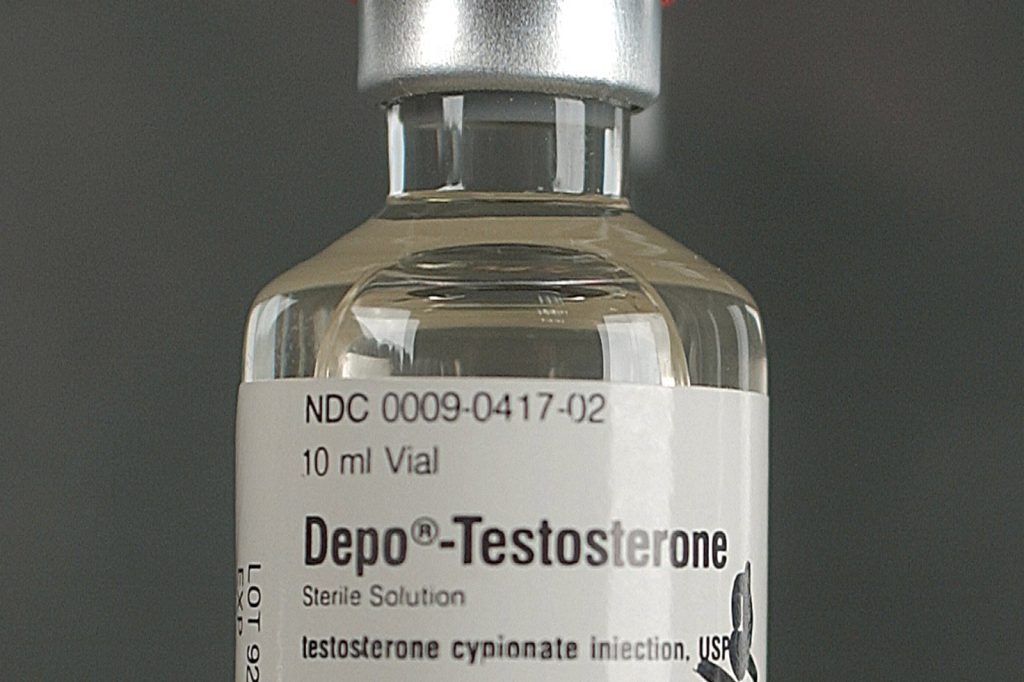
NEW YORK, June 26 — A sweeping new analysis suggests that very low testosterone levels in men may serve as an important warning signal for cancer risk, though researchers caution the finding does not mean the hormone deficiency directly causes the disease. An international team examined 11 long-running studies involving more than 26,000 men of varying ages, all with follow-up periods of at least five years.
The data showed that men with very low testosterone had a significantly higher risk of dying from cancer, with one type of cancer standing as an exception to the pattern. Here’s what it means, in plain terms: Think of low testosterone less like a switch that flips on cancer and more like a check-engine light on your dashboard.
It doesn’t cause the problem, but it tells you something worth investigating. The relationship between the primary male sex hormone and cancer risk has been unclear until now. Given testosterone’s close connections to cell growth, the researchers wanted to dig deeper.
The findings suggest low testosterone could be an important marker of future health, even if it isn’t a direct cause. The researchers emphasize that this is not a reason for men to start taking testosterone supplements.
The practical upshot is different: if your levels are very low, it might be worth having a conversation with your doctor about what else could be going on. Testosterone levels have been linked to poor health before, but the specific connection to cancer risk had not been well established. This large analysis, drawing on data from thousands of men tracked over years, helps clarify the picture.
The study adds to an expanding list of known cancer risk factors that includes levels of exercise, alcohol intake, weight, and even marriage status. While we may not have a definitive cure for cancer yet, research continues to sharpen our understanding of what puts people at higher risk. For the average man reading this, the takeaway isn’t to panic about testosterone numbers.
It’s to recognize that very low levels might signal something worth checking out. The researchers stress that correlation is not causation, and more work is needed to understand the biological mechanisms at play.
What to watch next: Researchers will likely dig into why one type of cancer was an exception to the pattern, and whether testosterone screening could become a useful tool for identifying men who might benefit from closer cancer monitoring. For now, the message is straightforward: very low testosterone is a data point worth paying attention to, not a diagnosis in itself.
{“@context”: “https://schema.org”, “@type”: “NewsArticle”, “headline”: “Low Testosterone Is Linked to a Higher Risk of Cancer, Study Finds”, “description”: “NEW YORK, June 26 — A sweeping new analysis suggests that very low testosterone levels in men may serve as an important warning signal for…”, “datePublished”: “2026-06-26 13:00:12T09:30:00+00:00”, “author”: {“@type”: “Person”, “name”: “Erika Johnson”}, “publisher”: {“@type”: “Organization”, “name”: “InfoPulse Today”, “url”: “https://newsfeed.infopulsetoday.com/”}}




