
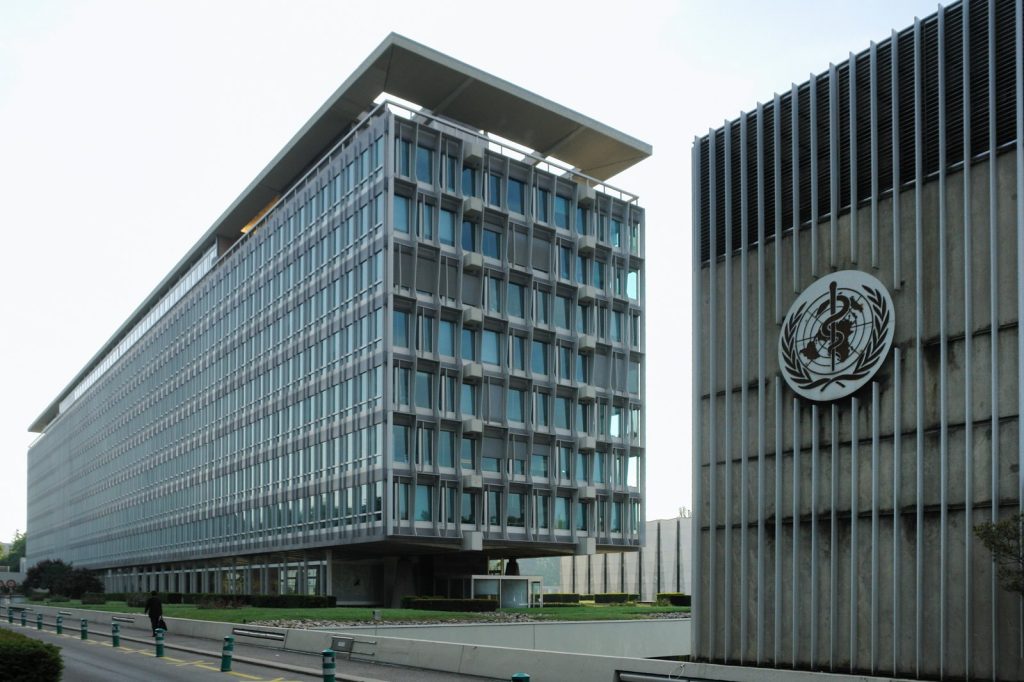
Gurugram — The World Health Organization now ranks obesity among the fastest-growing health threats worldwide. For years, the dominant message has been simple: eat less, move more. That advice, it turns out, misses a deeper and more complicated reality.
People who count calories, skip dessert, and exercise regularly still see the numbers on the scale climb. Something else is driving the weight gain.
Modern medicine is starting to name those drivers: sleep deprivation, chronic stress, shifting hormones, and emotional eating. These factors alter how the body processes food and signals hunger. Stress sits at the center of this shift.
When the body feels pressure, it releases cortisol. That hormone does more than make people anxious.
It directly influences appetite and fat storage. High cortisol levels increase hunger. They also push people toward calorie-dense food.
Someone under chronic stress may eat what looks like a reasonable diet, but their biology is working against them. Sleep loss compounds the problem. A tired body produces more ghrelin, the hormone that triggers hunger, and less leptin, the hormone that signals fullness.
The result is a metabolic double hit. People feel hungrier, eat more, and store fat more readily.
The old calorie equation cannot account for these biological pressures. Hormonal changes, whether from aging, medical conditions, or life stages, also rewrite the rules. Thyroid disorders, polycystic ovary syndrome, and menopause can slow metabolism regardless of diet and exercise.
For patients in those situations, cutting calories alone does not fix the underlying imbalance. Emotional eating adds another layer.
Stress, sadness, boredom, or anxiety can override conscious food choices. The body craves high-calorie comfort food as a quick source of relief. That craving is not a failure of willpower.
It is a biological response to stress hormones and brain chemistry. Behind the science are real people. They are the ones who follow every rule and still cannot explain why the scale will not cooperate.
For them, the solution is not another diet plan. It is addressing the factors that control metabolism and appetite in the first place.
The WHO data tracks a sharp rise in obesity rates across the globe. That rise has forced researchers to look beyond simple calorie math. Obesity is not caused by overeating alone.
Some people suffer from it even when their diet appears healthy. Stress, sleep, and hormones are not minor side issues.
They are primary drivers. Researchers now believe that biology and lifestyle pressures play as much of a role as food choices. That insight is reshaping how doctors approach weight management.
Patients can expect more personalized treatment that targets the specific factors at work in their own bodies. The era of one-size-fits-all weight loss advice is giving way to something more precise. For now, the takeaway is blunt: counting calories is not enough.
The body’s internal systems can override even the strictest diet. A person can do everything right on the plate and still lose the battle.
The real fight is against cortisol, sleep debt, and hormonal change. That fight requires a different kind of solution.
{“@context”: “https://schema.org”, “@type”: “NewsArticle”, “headline”: “WHO Links Obesity to Sleep, Stress, and Hormones, Not Just Overeating”, “description”: “Gurugram — The World Health Organization now ranks obesity among the fastest-growing health threats worldwide. For years, the dominant message has been simple: eat less,…”, “datePublished”: “2026-06-19T07:45:50+00:00T09:30:00+00:00”, “author”: {“@type”: “Person”, “name”: “Muhammad Asim”}, “publisher”: {“@type”: “Organization”, “name”: “InfoPulse Today”, “url”: “https://newsfeed.infopulsetoday.com/”}}




