
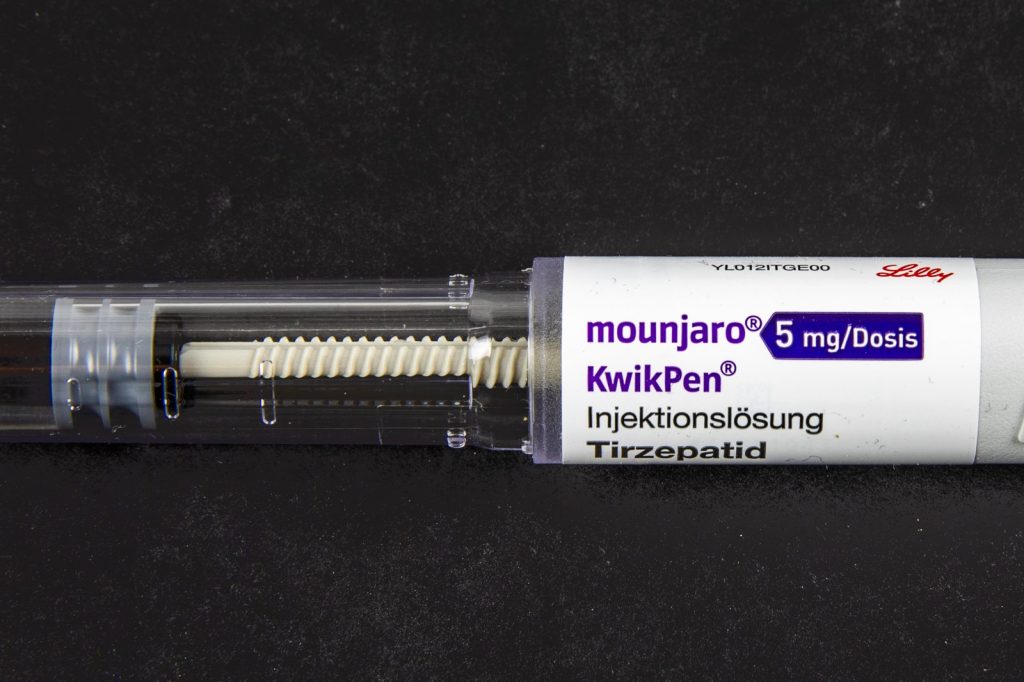
Millions of Americans who live with type 2 diabetes now have an additional medication to consider. Tir tirzepatide, cleared by the U.S. Food and Drug Administration (FDA) in May 2022, entered the American market in September under the brand name Mounjaro. Developed by Eli Lilly and Company, the drug is administered once a week by sub‑cutaneous injection and combines two hormonal pathways that influence glucose handling and body weight.
The molecule works as a gastric inhibitory polypeptide (GIP) analog together with a glucagon‑like peptide‑1 (GLP‑1) receptor agonist. This dual mechanism differentiates tirzepatide from most existing oral antidiabetic agents, which typically target a single pathway. Early clinical data indicate that the combination can both tighten blood‑sugar control and promote weight loss—an important benefit given the frequent coexistence of obesity and type 2 diabetes.
For Eli Lilly, the FDA nod represents a major milestone, positioning Mounjaro alongside rival products such as Ozempic and Wegovy, which have garnered attention for their weight‑reduction effects. The company now faces the prospect of broader applications: the FDA is reviewing tirzepatide for indications beyond diabetes, including dedicated weight‑management therapy and even treatment of obstructive sleep apnea. If approved for these uses, the drug could become a central player in the wider conversation about metabolic health.
From a patient‑experience standpoint, the weekly injection offers a simpler regimen compared with daily oral tablets, which often suffer from poor adherence. However, tirzepatide is not free of drawbacks. Reported adverse events include nausea, vomiting and diarrhea as the most common, alongside decreased appetite, constipation, upper‑abdominal discomfort and abdominal pain. While some individuals discontinue therapy because of these effects, others find the symptoms diminish as their bodies adjust to the medication.
Access to tirzepatide remains uneven. Although the United States has approved the drug, regulatory reviews are still ongoing in other countries, meaning patients abroad may wait longer for availability. Eli Lilly will need to address each market’s distinct approval processes, pricing negotiations and insurance reimbursement frameworks.
Cost considerations are also significant. The article does not disclose a specific price, but new branded diabetes treatments typically carry high list prices. Insurance coverage will therefore play a decisive role in determining how many patients can realistically afford the weekly injections.
The drug’s potential for weight loss has already sparked interest among clinicians and policymakers, especially as obesity continues to pose a public‑health challenge in the United States. Should tirzepatide receive separate approval for weight management, it could alter clinical approaches to obesity and pressure insurers to cover it for that purpose as well as for diabetes.
In the short term, the primary impact is clear: physicians now have an additional tool for patients whose blood‑glucose levels are difficult to control or who seek weight reduction as part of their diabetes care plan. The launch of Mounjaro also signals to the pharmaceutical industry that dual‑action agents are gaining traction, prompting competitors to develop or refine comparable therapies.
Looking ahead, real‑world evidence will be essential to confirm tirzepatide’s early promise. Ongoing monitoring of side‑effect profiles, effectiveness in broader patient populations and outcomes from pending international approvals will shape the drug’s long‑term role in diabetes and metabolic‑health treatment.




