
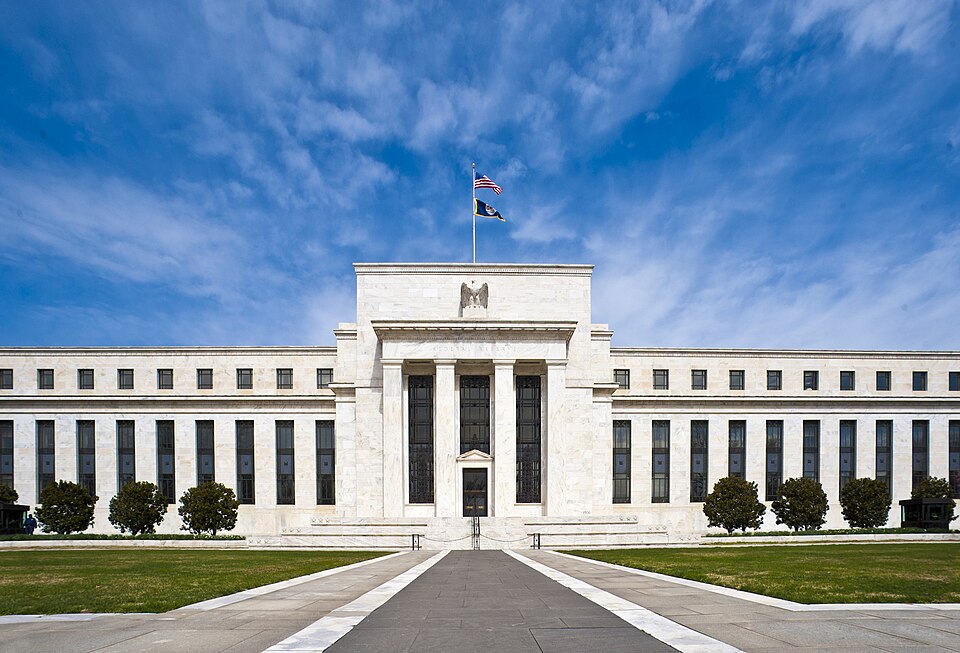
WASHINGTON, September 17 — The Federal Reserve is widely expected to raise interest rates on Wednesday, its first hike in more than three years, with markets pricing in roughly a 90% chance of a quarter-point move, according to the CME FedWatch Tool. The bottom line: the figure that matters is 0.25 percentage points, and federal funds futures put the odds of that increase at about 90%. If the Fed delivers, it ends a stretch of more than three years without a rate hike.
The federal funds rate does not stop at Wall Street. It feeds into savings rates, credit-card interest, personal loans and, to a lesser extent, mortgage rates.
For savers, a higher Fed rate can eventually mean banks offer slightly better interest rates on deposits. The increase is usually gradual, and basic bank accounts may still offer very low returns. Checking account rates have barely moved in 2026; the national average interest rate on checking accounts sits around 0.07%, because those accounts are built for easy access to money and everyday payments rather than earning interest, according to Yahoo Finance.
A hike could push checking-account earnings slightly higher, but the move is likely to be small. Regular savings accounts currently offer an average rate of about 0.38%.
High-yield savings accounts pay far more, with many currently in the 3% range and some offering yields close to 4%. Savers could benefit more from a higher-rate environment if they shop around for competitive savings rates instead of leaving large amounts of cash in a low-paying account. Money market accounts are another option for people who want their money accessible while earning interest.
For someone with around $10,000 or more sitting on the sidelines, these accounts can provide a place to keep the money while maintaining access to it. The national average rate for money market accounts is only about 0.63%, so standard accounts may still provide limited returns, but high-yield money market accounts can pay much more, with rates mostly in the mid-3% range and some just below 4%. Certificates of deposit could also benefit from higher rates, and banks have already started increasing some CD rates, according to Yahoo Finance.
Borrowers Feel It Faster
Credit-card users are likely to feel the impact quickly. Credit-card interest rates have climbed sharply, from around 16% in 2021 to more than 22% today. People who pay their entire balance every month generally avoid paying interest, so the rate increase has little direct impact on them.
Consumers who carry a balance from month to month can see their borrowing costs rise as variable credit-card rates adjust. Michele Raneri, vice president and head of U.S. research at TransUnion, expects only a “minimally higher” borrowing cost for consumers as variable-rate products reflect the Fed’s move, according to Yahoo Finance.
A consumer carrying the average second-quarter 2026 credit-card balance of $6,610 at a 22% APR could see the minimum monthly payment rise by about $1.38 if the higher rate is passed through, Raneri said. While that monthly increase may appear small, the cost can become significant over time for people who carry large balances or make only minimum payments, Raneri said, adding that reducing revolving credit-card debt can help consumers limit the impact of higher interest rates. Personal-loan rates have also moved higher.
The average personal-loan interest rate is currently around 11.86%, while advertised personal-loan rates are generally in the 7%–8% range, although the actual rate a borrower receives can vary based on factors such as creditworthiness and the lender.
Mortgages and Markets
Mortgage rates work somewhat differently. A Fed rate hike does not automatically cause mortgage rates to rise by the same amount, because mortgage rates are heavily influenced by the bond market and 10-year Treasury yields, and markets often price in expected Fed moves before the Fed actually changes rates.
Mortgage rates had reached three-year lows around the end of February and early March, but they later moved higher after the war in the Middle East began, and have recently neared or crossed 7%, depending on the source tracking the rates, as 10-year Treasury yields have also moved higher.
Housing analysts at the Mortgage Bankers Association and Fannie Mae expect mortgage rates to remain above 6.5% through 2027, meaning people planning to buy a home may continue to face high borrowing costs even if the Fed’s rate move is relatively small. The decision also matters to investors because higher interest rates can create more volatility in stock markets.
Kevin Gordon, head of macro research and strategy at Schwab, said there is an old Wall Street saying, “Don’t fight the Fed,” because Fed rate-hiking cycles can bring significant market turbulence, according to Yahoo Finance. Historical data shows that the S&P 500 has suffered an average maximum loss of more than 10% within 12 months after the start of a higher-interest-rate cycle, Gordon said.
Gordon said the current economic backdrop remains relatively favorable for the




