
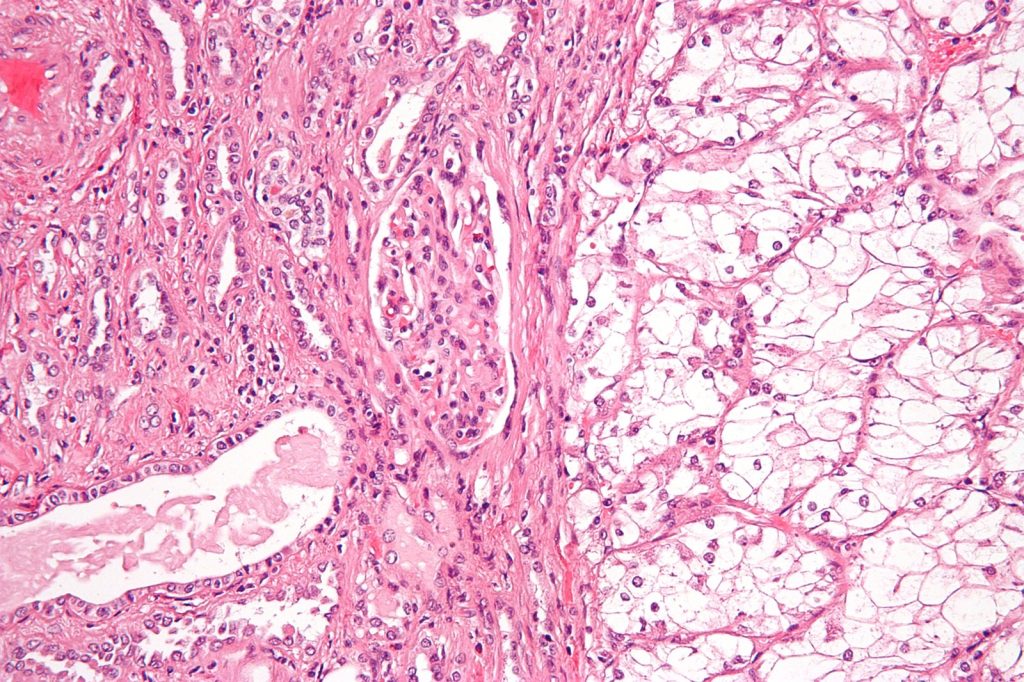
A comprehensive industry analysis released this week has mapped the renal cancer drug development pipeline for 2026, revealing more than 80 investigational therapies in various stages of research and preclinical or clinical testing. The report, which surveys over 75 companies actively pursuing new treatments for the disease, provides the most detailed snapshot to date of the competitive and collaborative landscape in renal cancer drug development. For researchers tracking the field, the analysis documents a significant shift in focus toward the underlying biological mechanisms that drive tumor growth and immune evasion.
A Pipeline Defined by Biological Targets
According to the report, the current pipeline presents key opportunities for novel therapies that target two primary biological mechanisms: immunosuppression and oncogenic pathways. Immunosuppression refers to the ability of tumors to evade or dampen the body’s immune response, while oncogenic pathways are the genetic and molecular circuits that promote uncontrolled cell proliferation. The report highlights these two areas as central to the research strategies of the companies analyzed, suggesting the next wave of innovation will likely come from drugs designed to address these specific drivers of renal cancer.
For each of the over 80 pipeline drugs, the report examines factors including mechanism of action, stage of development, and the company behind the candidate. The coverage spans early-stage preclinical work and later-stage clinical trials.
The report does not single out any particular drug or company as a frontrunner; instead, it offers a comprehensive snapshot of where the field stands as of mid-2026. Over 75 companies are now involved in the renal cancer space, ranging from large pharmaceutical firms to smaller biotechnology operations. The sheer number of players suggests a field that remains highly active despite the existing treatment options already on the market.
Understanding the Disease Burden
Renal cancer, also known as kidney cancer, is a group of cancers that originate in the kidney. The most common form is renal cell cancer, followed by transitional cell cancer and Wilms’ tumor, a pediatric form. The disease often begins after a person reaches middle age.
Medical records show that the incidence of these cancers has risen steadily since 1930. Early stages frequently produce no symptoms; as the disease advances, patients may experience blood in the urine, back pain, or a palpable lump in the abdomen.
The cancer can spread to the brain or lungs, and diagnosis typically requires medical imaging and tissue biopsy. Risk factors for renal cancer include smoking, high blood pressure, and family history. The disease is more common in urban populations than in rural areas. Survival rates vary significantly based on whether the cancer remains confined to the kidney or has spread to lymph nodes and other organs.
Treatment options have evolved over the decades to include surgery, chemotherapy, and radiation. In recent years, the arrival of immunotherapies and targeted agents has marked significant treatment advances, offering new hope for patients with advanced stages of the disease.
The Road Ahead for Novel Therapies
Developing new therapies remains a priority because renal cancer is a significant cause of death globally. Better treatments can improve survival for patients with advanced stages, and identifying new biological pathways helps doctors address cases that do not respond to current medicines. The pipeline report suggests that while immunotherapies and targeted agents have already transformed the treatment landscape, the next wave of innovation will focus on the immune system’s role in tumor growth and the specific genetic mutations that drive cancer cell proliferation.
For researchers and investors alike, the document serves as a map of the territory. As these over 80 pipeline drugs move through the development process, the analysis provides a baseline for what to watch in the coming years.
The full report is available through the publisher. Readers are advised to consult their doctor for medical advice regarding diagnosis and treatment options for renal cancer.




