
MANAMA, July 13 — The U.S. Fifth Fleet, America’s primary naval force in the Persian Gulf, faces an evolving threat matrix as Iran’s bifurcated naval command structure continues to refine asymmetric warfare tactics in the region’s choke points. Strategically, the calculus for fleet commanders has shifted from conventional blue-water engagements to the prospect of swarming attacks by small, fast craft and precision-guided munitions. The Fifth Fleet, established in 1995 and headquartered at Naval Support Activity Bahrain, operates under U.S. Central Command.
Its area of responsibility encompasses the Red Sea, Gulf of Oman, Persian Gulf, and Arabian Sea. The fleet typically fields an aircraft carrier strike group—such as the USS Dwight D.
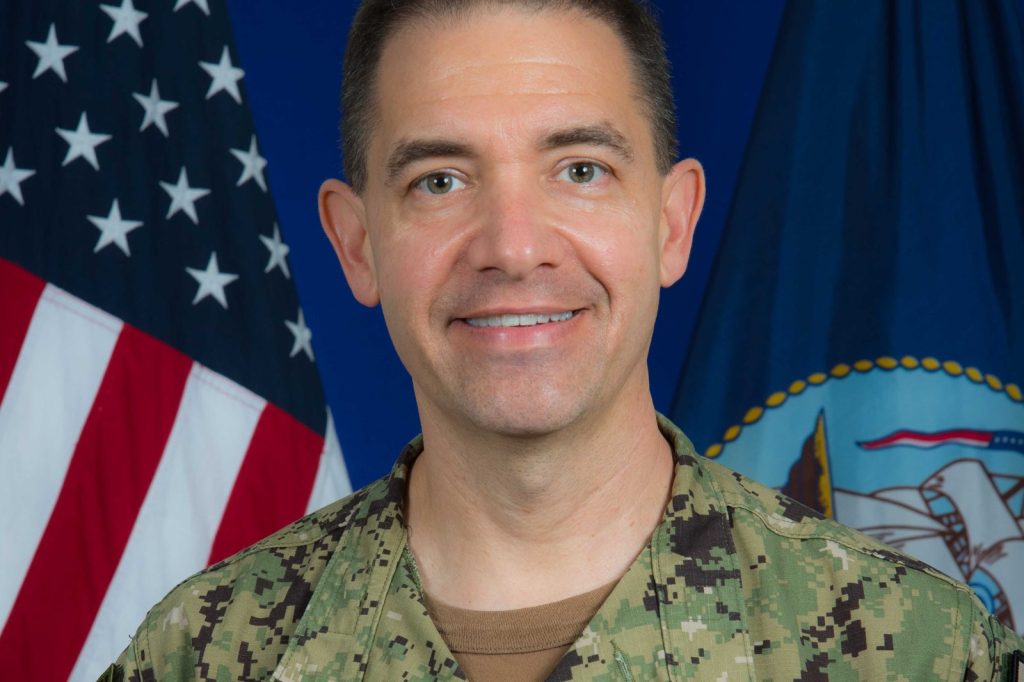
Eisenhower—alongside amphibious ready groups and up to 30 ships. Vice Admiral Brad Cooper has commanded the fleet since February 2024. What this signals is a persistent readiness requirement against a dual Iranian naval apparatus.
Iran’s regular navy, the Islamic Republic of Iran Navy, operates larger platforms including the destroyer Sahand, launched in 2018, and three Kilo-class submarines. But the more immediate tactical concern remains the Islamic Revolutionary Guard Corps Navy, which fields over 1,000 small fast-attack craft, anti-ship cruise missiles like the Noor and Qader, and naval mines.
Asymmetric Posture and the Strait
The IRGCN is led by Rear Admiral Alireza Tangsiri, appointed in 2019. In 2020, the force conducted a live-fire exercise near the strait, targeting a mock-up of a U.S. aircraft carrier. The exercise was a direct demonstration of Iran’s intent to contest the waterway using massed, low-signature platforms rather than capital ships.
The broader stakes are clear. The IRGC has been designated as a Foreign Terrorist Organization by the United States since April 2019, a designation that complicates any potential diplomatic off-ramps and sharpens the military posture on both sides.
For the Fifth Fleet, every transit through the strait carries the weight of that designation.
Command Dynamics and Force Structure
Vice Admiral Cooper’s command comes at a time when the fleet must balance deterrence with the risk of miscalculation. The presence of an aircraft carrier strike group provides both offensive punch and a high-value target. The IRGCN’s doctrine explicitly targets such assets, using speed, volume, and the geography of the narrow Gulf waters to offset U.S. technological superiority.
The Fifth Fleet’s 30-ship complement, while formidable, must remain vigilant against the threat of naval mines and the possibility of coordinated missile salvos from shore-based launchers. The IRGCN’s inventory of Noor and Qader anti-ship cruise missiles extends the danger zone well beyond the immediate horizon.
Looking ahead, the calculus for U.S. naval planners will continue to center on maintaining freedom of navigation while countering Iran’s layered denial strategies. The Fifth Fleet’s ability to project power in the Persian Gulf depends not only on its carrier decks but on its capacity to neutralize the very asymmetric threats that Iran has spent years perfecting.




