
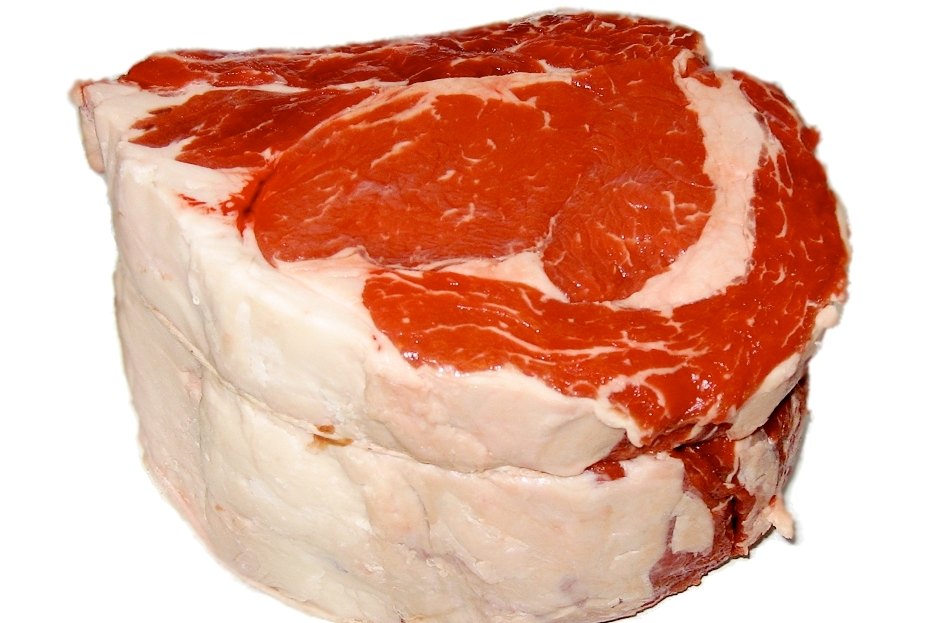
LONDON — The protein on your plate may be doing more than just feeding your muscles. For the half-million people in the UK living with irritable bowel disease, it could be stoking inflammation or calming it. New research published Monday in Cellular and Molecular Gastroenterology zeroes in on something specific: the source of dietary protein matters.
Not just whether it’s animal or plant. Not just how much you eat.
Which protein. Mice fed a beef-based diet developed the worst intestinal inflammation. Mice fed pea protein?
They fared markedly better. The difference was stark enough that researchers from The American Gastroenterological Association are now calling attention to a factor many patients never consider.
Irritable bowel disease is an umbrella term. Crohn’s disease and ulcerative colitis sit under it. Both involve the immune system mistakenly attacking healthy bowel cells.
The result is inflammation in the intestines. Severe abdominal pain. Diarrhea.
Blood or mucus in the stool. Fatigue.
Unexplained weight loss. It is life-long. Every year, 25,000 people in the UK are diagnosed with Crohn’s or colitis.
More than half a million already live with one of the two conditions. The exact cause of IBD remains unknown.
That has not changed. Oversensitive nerves in the gut, stress, and genetics have all been implicated. Previous research linked diets high in hard-to-digest fibers and a lack of exercise with worse symptoms.
This study adds a new layer. A precise one. The researchers were not simply comparing meat to plants.
That is a common misreading of such work. They were comparing protein sources.
Beef versus peas. The beef group got slammed. The pea group got protection.
That distinction matters for anyone trying to manage a chronic bowel condition. It suggests that swapping a beef burger for a pea-protein patty might not just be a general health move.
It might be a targeted one. Something that directly changes how the gut behaves under immune attack. Animal models are not human trials.
Mice are not people. But they are how scientists isolate variables and test mechanisms before moving to clinical work. The finding is strong enough to warrant attention now.
For patients, the practical takeaway is not a sweeping ban on red meat. It is a closer look at what sits at the center of the meal.
Beef as the main protein source produced the worst outcomes in this study. Pea protein looked like a shield. The study does not claim to have cracked the mystery of IBD.
It does not claim diet alone causes or cures it. It claims something narrower.
Protein source matters under the hood. And for people whose guts are already under siege, that is not a small thing. Doctors have long told IBD patients to watch what they eat.
This gives them a more specific target. Not just “eat healthy.” Not just “avoid triggers.” Consider swapping beef for peas. The research was published in a peer-reviewed journal.
The data is there for other scientists to test, replicate, or challenge. That is how the field moves forward.
One protein source at a time. For the 25,000 people newly diagnosed each year in the UK, the information arrives early enough to matter. For the half-million already living with the disease, it offers something practical.
A switch that might help. No magic.
No cure. Just a better shot at less inflammation.




