
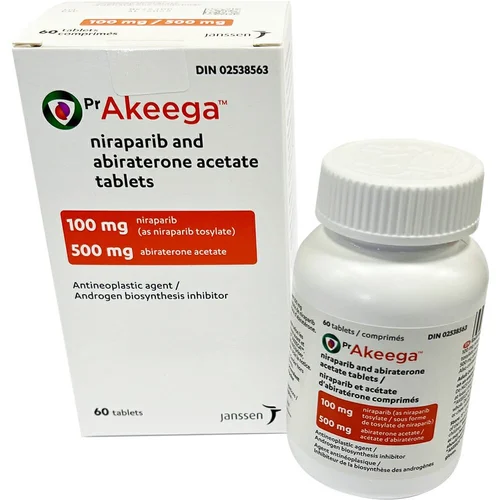
European Union, April 19, 2023 — cybernewschronicle.com — Niraparib/abiraterone acetate, a fixed-dose combination anti-cancer medication, has been approved for the treatment of prostate cancer in the European Union as of April 2023. This medication combines niraparib, a poly (ADP-ribose) polymerase (PARP) inhibitor, with abiraterone acetate, a CYP17 inhibitor, to provide a dual approach to treating this type of cancer. The approval of niraparib/abiraterone acetate marks a significant development in the treatment options available for patients with prostate cancer.
The components of niraparib/abiraterone acetate work together to target different aspects of cancer cell growth and hormone production. Niraparib acts as a PARP inhibitor, which means it interferes with the ability of cancer cells to repair their DNA, ultimately leading to cell death.
Abiraterone acetate, on the other hand, is a CYP17 inhibitor, which blocks the production of hormones that can fuel the growth of prostate cancer cells. By combining these two mechanisms of action, niraparib/abiraterone acetate offers a comprehensive approach to treating prostate cancer.
Common Side Effects
As with any cancer medication, niraparib/abiraterone acetate is associated with a range of side effects. The most common side effects include anemia, high blood pressure, constipation, tiredness, nausea, thrombocytopenia, difficulty breathing, back pain, reduced appetite, neutropenia, joint pain, vomiting, low levels of potassium, dizziness, difficulty sleeping, high blood glucose levels, and urinary tract infection. Patients undergoing treatment with niraparib/abiraterone acetate should be closely monitored by their healthcare providers to manage these side effects and adjust treatment as necessary.
The approval of niraparib/abiraterone acetate in the European Union is a significant step forward in the treatment of prostate cancer. This approval is based on the medication’s efficacy and safety profile, which has been demonstrated through clinical trials.
As a fixed-dose combination, niraparib/abiraterone acetate offers the convenience of a single medication regimen, which can improve patient adherence to treatment and simplify the management of side effects. While the approval of niraparib/abiraterone acetate is a positive development for patients with prostate cancer, it is essential to consider the broader context of cancer treatment. Prostate cancer is a complex disease that requires a multifaceted approach to treatment, including surgery, radiation therapy, and medication.
Niraparib/abiraterone acetate is one of several treatment options available, and healthcare providers will need to carefully consider the individual needs and circumstances of each patient when deciding on a treatment plan. Looking ahead, the next steps for niraparib/abiraterone acetate will involve its potential approval in other regions, including the United States.
As of the current date, the medication has been approved in the European Union, but its status in other countries is still pending. Patients and healthcare providers will be watching closely for updates on the availability of niraparib/abiraterone acetate, as well as further research on its efficacy and safety in the treatment of prostate cancer. As the landscape of cancer treatment continues to evolve, medications like niraparib/abiraterone acetate will play an increasingly important role in improving patient outcomes and quality of life.