
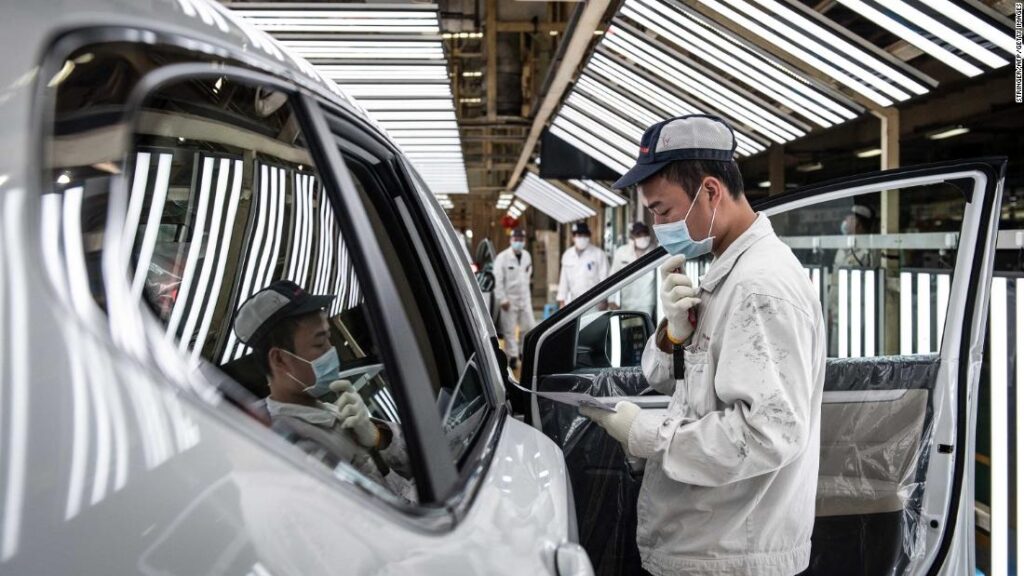
On 23 January, Chinese authorities sealed off Wuhan, the epicentre of the novel coronavirus outbreak, shutting down all transport links and suspending industrial activity throughout the city. The lockdown targets the region that houses the country’s largest automobile manufacturing hub, home to plants operated by Renault, Honda and PSA Group (owner of Peugeot and Citroën). Officials say the restrictions are essential to curb a virus that has already caused dozens of deaths worldwide and continues to add new infections.
The immediate economic impact is stark. The automotive sector, already struggling after a sharp fall in sales during 2019, now faces additional pressure from travel bans and plant closures. Analysts warn that the disruption could deepen the recession affecting car makers, threaten thousands of jobs and disturb supply chains that stretch across the globe.
Renault’s Wuhan Plant Stands Still
Renault confirmed that its Wuhan facility has halted production completely. The plant employs roughly 2,000 workers and is capable of producing 300,000 vehicles per year. After selling more than 170,000 cars in China in the previous year, the French group saw its shares dip 5 percent earlier this week as investors reacted to the shutdown. Renault said it is cooperating fully with Chinese authorities to protect its staff and the surrounding community, but the pause means a sizable portion of the plant’s output will be lost for the foreseeable future, adding financial uncertainty to the company’s outlook.
Other Major Makers Feel the Shock
Honda’s joint‑venture operation in Wuhan, which contributed about 11 percent of the Japanese automaker’s 2019 revenue, has not released an official status update, but the loss of that output is expected to weigh on its global results, especially given Honda’s heavy reliance on the Chinese market.
PSA Group, which runs Peugeot and Citroën brands in China, entered 2019 with a 55 percent decline in sales in the country. The current lockdown compounds an already difficult year for the group, further limiting its ability to recover from weak consumer demand.
Both companies have pledged to follow Chinese health directives, placing public safety above short‑term production goals.
Quarantine Expands Beyond Wuhan
Beijing’s containment measures have since been extended to the neighbouring cities of Huanggang and Ezhou, bringing the total population under strict control to more than 17 million people. The expanded zone effectively freezes a large portion of central China’s industrial capacity. The timing coincides with the Lunar New Year holiday, a period when many factories already close, pushing the shutdown of some plants to 4 February. For automakers accustomed to tightly scheduled production runs, the prolonged halt creates a logistical nightmare, raising the risk of inventory shortages and delayed deliveries.
Global Supply Chains Face Uncertainty
Components produced in Wuhan and surrounding regions are shipped worldwide, meaning that delays in China can ripple through assembly lines in Europe, North America and elsewhere. While Chinese officials stress that the measures are aimed at protecting lives and preventing a pandemic, the economic cost is considerable, especially as the automotive market entered 2020 with weakened sales figures from the previous year.
The sector’s sensitivity to labour and logistics disruptions means that the coming months will be crucial in determining how long the restrictions last and what lasting effects they will have on international manufacturing strategies and trade relationships.




