
Announcement and Licensing End
On 3 February 2020 TCL Communication disclosed via Twitter that it will stop designing and selling BlackBerry‑branded smartphones after 31 August 2020, the date its four‑year licence with BlackBerry Limited expires. The partnership began in December 2016, after BlackBerry ceased its own hardware production following years of losses to Apple and Samsung. Rather than leave the hardware business entirely, the Waterloo‑based firm licensed its name, security software and keyboard patents to TCL, the Shenzhen‑based conglomerate best known in North America for budget televisions. Under the agreement TCL obtained the right to design, build and distribute BlackBerry devices worldwide except for India, Sri Lanka, Nepal, Bangladesh and Indonesia, where local partners held separate licences.
Early Devices and Market Reception
The first product of the collaboration, the KEYone, debuted at Mobile World Congress in February 2017. It combined a 4.5‑inch touchscreen with the physical keyboard that had defined BlackBerry during its enterprise heyday, running Android 7.1 paired with the BlackBerry Hub. Initial reviews praised the software‑hardware blend, but enthusiasm waned when some users reported that the LCD panel detached from the chassis. TCL acknowledged “adhesive failure in a small number of units” and offered free replacements, a problem that came to symbolize a brand leaning more on nostalgia than on manufacturing precision.
Portfolio Expansion and Sales Figures
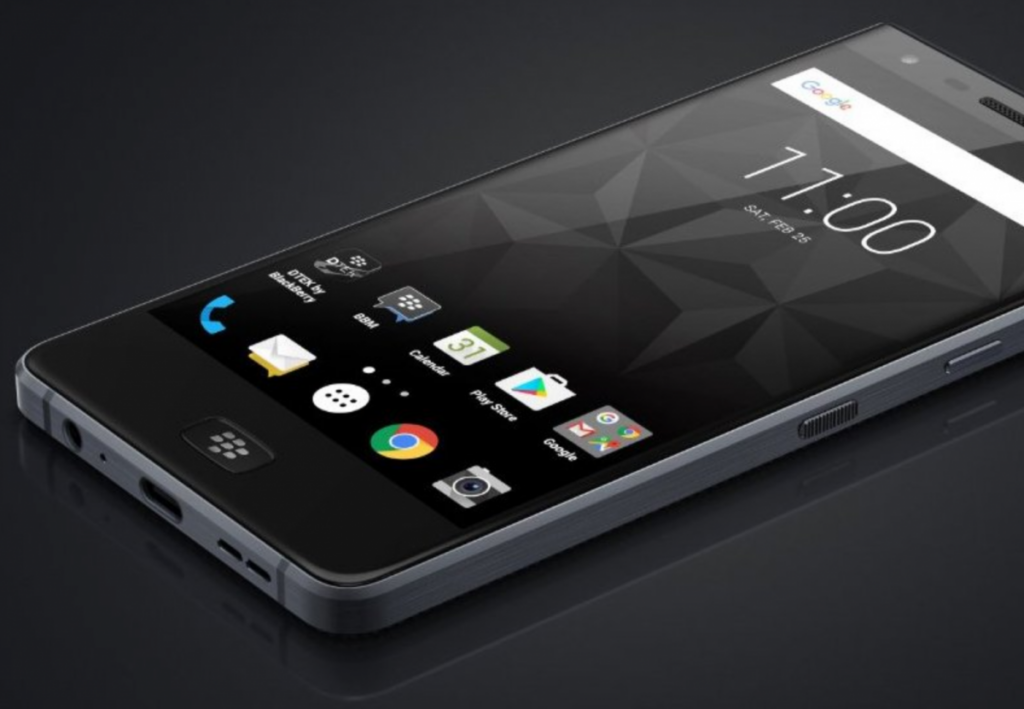
Despite the setbacks, TCL broadened the lineup. The Motion, released in October 2017, adopted a slab‑style form factor. The KEY2, launched in June 2018, featured a trimmed chassis, doubled RAM and a programmable speed key for app shortcuts. A lower‑cost variant, the KEY2 LE, targeted fleet buyers who still associated BlackBerry with IT‑department control. Collectively the four models accounted for an estimated 3.5 million units sold, according to IDC—a figure that barely registered against the 1.4 billion smartphones shipped worldwide during the same period.
Analyst Commentary on Strategy
Francisco Jeronimo, IDC’s European mobile‑devices research director, remarked on 4 February 2020: “BlackBerry under TCL was never about volume. It was about keeping a toehold in regulated industries that demand physical keyboards and a long security patch cycle.” That toehold, however, eroded over time. BlackBerry Mobile’s share of the enterprise market fell from 1.2 % in 2017 to 0.3 % by the end of 2019, per Canalys data, as even government purchasers migrated to touch‑only iPhones and Galaxy devices.
TCL’s Future Focus and State Links
With the licence expiring, TCL said it would re‑assign engineering teams to its own‑brand smartphones, including the recently unveiled TCL 10 series that leverages the company’s display‑panel expertise. The firm controls roughly 12 % of the global television market and has long supplied panels to Samsung and Huawei, giving it supply‑chain advantages that many smaller Chinese handset makers lack. Nevertheless, TCL’s connections to the Shenzhen municipal government have attracted scrutiny in Washington; a 2019 Pentagon audit flagged the company as among Chinese manufacturers that “may be required to cooperate with Beijing’s intelligence services,” a claim TCL denies.
BlackBerry’s Outlook After the Deal
BlackBerry Limited has not signaled any intention to secure another hardware partner. CEO John Chen told investors on a 21 December 2019 earnings call that licensing income from handsets had “fallen below materiality,” indicating the firm prefers to collect patent royalties rather than pursue another revival. Industry observers increasingly view the brand as a software shell whose true worth lies in its 38 000 mobile‑security patents and the QNX automotive operating system, now present in roughly 150 million vehicles.




