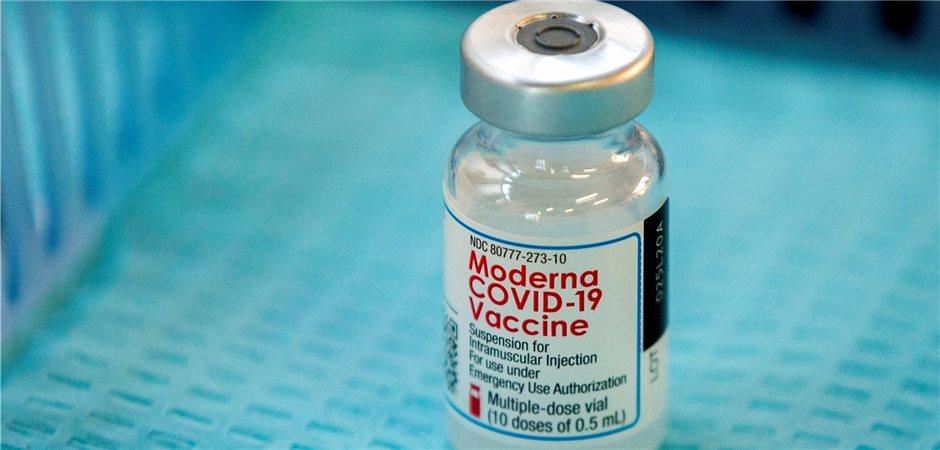
U.S. biotechnology company Moderna Inc. dispatched its first shipment of an experimental coronavirus vaccine, designated mRNA-1273, to the National Institute of Allergy and Infectious Diseases (NIAID) on February 26, 2020. The delivery marks the beginning of Phase 1 clinical testing for a vaccine developed in only six weeks. The candidate vaccine was designed using the genetic sequence of the novel coronavirus, which Chinese researchers made publicly available in early January 2020.
Moderna partnered with NIAID to move from that sequence to a shippable product in under two months, leveraging messenger RNA technology. This approach instructs human cells to produce a viral protein that triggers an immune response, bypassing the traditional need to grow the virus itself and significantly shortening development timelines.
NIAID Director Anthony Fauci confirmed that the initial trial could begin as soon as April. The study will enroll up to 25 healthy adults aged 18 to 55, each receiving two doses of the vaccine. Researchers will monitor participants for side effects and measure antibody levels to determine the immune response and safety profile of mRNA-1273.
Fauci emphasized that despite the accelerated schedule, safety protocols will not be compromised. “We are moving as quickly as possible, but we must follow the scientific method,” Fauci stated during a February 26 press briefing.
He added that even if the trial succeeds, full testing and regulatory approvals are expected to take at least 12 to 18 months before widespread public availability. A Moderna spokesperson expressed gratitude for the collaboration with NIAID and the rapid response from company teams, calling the shipment “a critical step forward in addressing the global health emergency.” Moderna is not the only company pursuing a COVID-19 vaccine or treatment. Global pharmaceutical firms including GlaxoSmithKline, Gilead Sciences, Johnson & Johnson, and Sanofi have announced their own efforts.
Gilead is testing its antiviral drug remdesivir, previously used against Ebola, while Johnson & Johnson plans to begin human trials by the fall. The World Health Organization has listed multiple candidate vaccines in development, with over a dozen projects underway worldwide.
News of the shipment drove stock gains for several companies. Moderna shares rose 28% in recent trading sessions, and Gilead shares increased up to 5%, reflecting investor bets that the first effective treatment or vaccine will generate significant revenue and public goodwill. Despite the early progress, significant challenges remain.
Moderna has never brought a product to market, and its mRNA platform has not yet received approval for any human disease. Manufacturing at scale presents a major hurdle, and regulatory approval from the U.S. Food and Drug Administration will require rigorous data from multiple trial phases.
Even if Phase 1 succeeds, Phase 2 and Phase 3 trials will involve thousands of participants and take months to complete. Public health officials caution that a vaccine may not be a silver bullet. The virus could mutate, reducing vaccine effectiveness, and distribution logistics—including cold chain requirements for mRNA vaccines—will need to be solved.
The Trump administration has allocated funding through Operation Warp Speed, but the timeline remains uncertain. As of February 26, the outbreak had killed 2,760 people worldwide, with the majority of deaths in China.
The United States reported 60 confirmed cases. The World Health Organization has declared the outbreak a public health emergency of international concern.