
Takeda Initiates Development of Plasma-Derived Therapy for COVID-19 Treatment
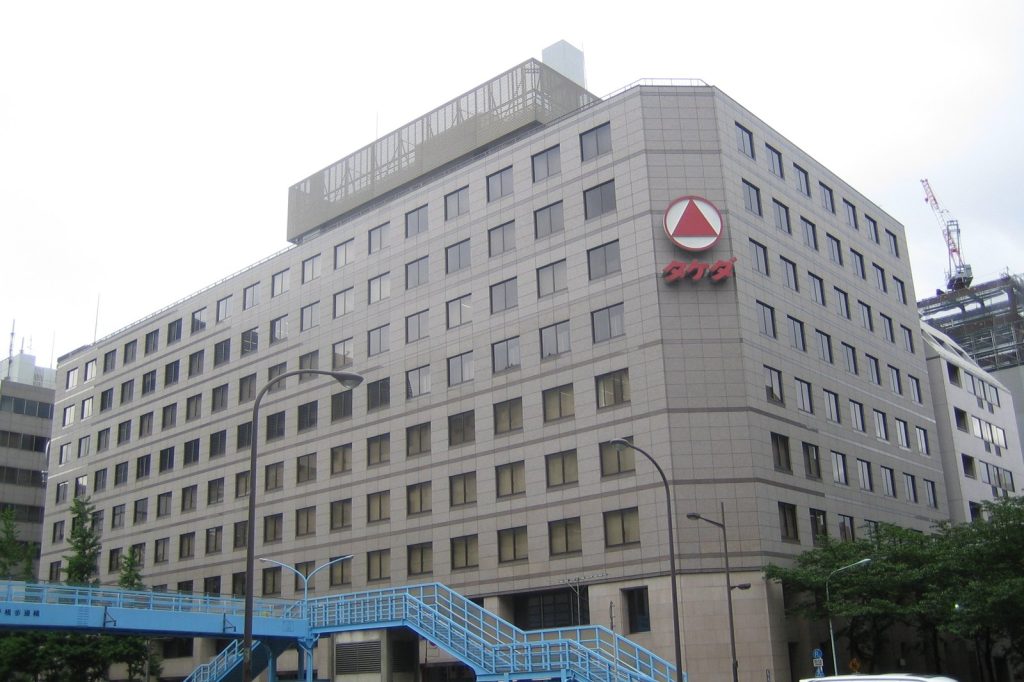
In a significant move, Takeda Pharmaceutical Company, Japan’s leading pharmaceutical firm, announced on March 5, 2020, the initiation of a plasma-derived therapy development project. This innovative treatment is designed to aid individuals infected with the novel coronavirus. The company, based in Osaka, plans to harvest protective antibodies from the blood of recovered patients, purify them at scale, and deliver the resulting product, tentatively named TAK-888, to severely ill patients.
Executives revealed that the first clinical lots could be ready within nine months if regulatory bodies in Asia, Europe, and the United States expedite their review process. The approach is not novel; doctors have been using convalescent plasma since the 1918 influenza pandemic to mitigate the progression of measles, mumps, SARS, and MERS.
Takeda’s unique approach involves pooling donations from hundreds of recovered donors, concentrating the virus-neutralizing immunoglobulins, and removing other blood components that can trigger allergic reactions. The finished drug would be administered as a short intravenous infusion, providing patients with an immediate army of ready-made antibodies while their own immune systems catch up. Unlike a vaccine, the product is intended for treatment, not prevention.
“We are targeting hospitalized patients who are progressing toward severe respiratory failure,” Rajeev Venkayya, president of Takeda’s Vaccine Business Unit, stated in a telephone briefing. “The goal is to reduce the need for mechanical ventilation and shorten intensive-care stays.” Timeline and manufacturing challenges were addressed by Takeda executives, who acknowledged that nine months is an optimistic estimation.
First, the company must locate enough donors who have tested negative for the virus at least twice and who carry high antibody titers. Then, the plasma must be screened for hepatitis B, hepatitis C, HIV, and other blood-borne pathogens before it enters a multi-step purification process that culminates in viral inactivation and nanofiltration steps designed to remove even the smallest adventitious agents. Takeda’s plant in Kobe, Japan, has the capacity to fractionate over one million liters of plasma annually, but this capacity is already utilized in the production of established immunoglobulin products for patients with immune disorders.
Takeda has stated that it is scouting partner facilities in the United States and Europe for additional clean-room suites and hopes to secure government or philanthropic funds to reserve production lines. Even so, the initial batch is expected to yield only several thousand treatment courses, a relatively small number given the rising global case counts.
Regulatory path and global coordination have been addressed by Takeda, who has filed an investigational new drug briefing packet with the U.S. Food and Drug Administration and held similar pre-submission talks with Japan’s Pharmaceuticals and Medical Devices Agency and the European Medicines Agency. Regulators on all three continents have promised rolling reviews, allowing the company to submit data as it is generated rather than waiting for a complete dossier. The company is also sharing technical know-how with a newly formed alliance of plasma producers that includes CSL Behring, Biotest, BPL, LFB, and Octapharma.
Together, the group hopes to standardize donor-selection criteria, antibody-testing protocols, and clinical endpoints so that results can be pooled in a single large efficacy trial.




