
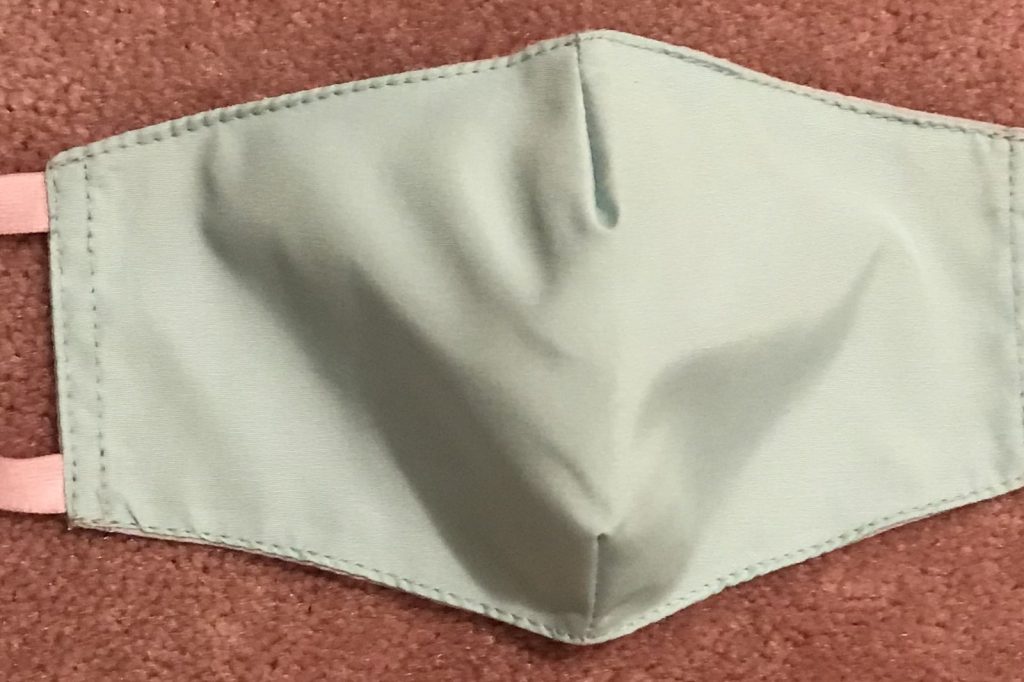
Researchers at Florida Atlantic University measured how far simulated cough droplets moved when different face coverings were used. The experiment, led by assistant professor Dr. Sid Verma, showed that a simple two‑layer cotton mask limited droplet spread to roughly 2.5 inches, compared with a 12‑foot trajectory when no mask was worn.
Using a laser to illuminate the droplets from a cough‑simulator, the team recorded the distance traveled in each scenario. Without any barrier, droplets travelled about 12 feet in 30–40 seconds. A bandanna or gaiter allowed the spray to reach three feet, while a folded handkerchief reduced the range to just over one foot.
A cone‑style mask shortened it further to about eight inches. The most effective cloth configuration—two layers of fabric—restricted the droplets to a mere 2.5 inches.
Dr. Verma highlighted why this reduction matters. “At nine feet, these droplets can linger in the air for two to three minutes, but the concentration is less than it would be at six feet by a factor of eight,” he explained, noting that lower concentrations mean a smaller viral dose for anyone who inhales the particles. While cloth masks do not match the filtration efficiency of N95 respirators, the study confirms they still lower transmission risk when worn correctly.
N95 masks filter particles down to 0.3 microns and, because the SARS‑CoV‑2 virus typically rides on larger droplets, they are highly protective. However, they require a proper fit and were prioritized for frontline health workers during the pandemic.
Surgical masks, which are loose‑fitting disposables, are not designed to seal tightly and have limited ability to block very small airborne particles, according to the U.S. Food and Drug Administration. Nevertheless, public health agencies such as the CDC have recommended that everyone aged two years and older use a cloth face covering in situations where physical distancing is challenging. Parallel research published in ACS Nano evaluated 32 natural and synthetic fabrics for their ability to filter particles the size of the coronavirus.
The analysis found that 100 % cotton with a raised nap—materials like flannel or fleece—offered the best performance, while synthetic fabrics performed the poorest. Tightly woven fabrics generally outperformed loosely knit or knitted options, and multiple layers, especially of cotton, improved filtration.
No cloth material approached the protection level of an N95 mask, and the study did not assess breathability, an important factor for user comfort and consistent wear. Practical guidance emerging from these findings suggests that a well‑fitted cloth mask with a pocket for a disposable filter can be an effective everyday solution. One example highlighted a cotton mask made from plant‑based viscose yarn, featuring a removable metal nose bridge and an included PM2.5 filter capable of capturing particles as small as 2.5 microns. Although not classified as personal protective equipment, such masks add an extra barrier beyond the cloth alone.
The CDC continues to stress that any face covering is better than none. Key variables influencing a mask’s efficacy include the type of fabric, the number of layers, and the fit across the face.
A snug two‑layer cotton mask can markedly lessen droplet dispersion, even if it does not block every particle. Combined with other preventive measures—maintaining distance, frequent hand hygiene, and adequate ventilation—cloth masks provide a practical, accessible means to reduce COVID‑19 transmission. Selecting a mask that fits tightly, uses multiple layers of tightly woven cotton, and remains comfortable for prolonged wear is essential for maximizing protection.




