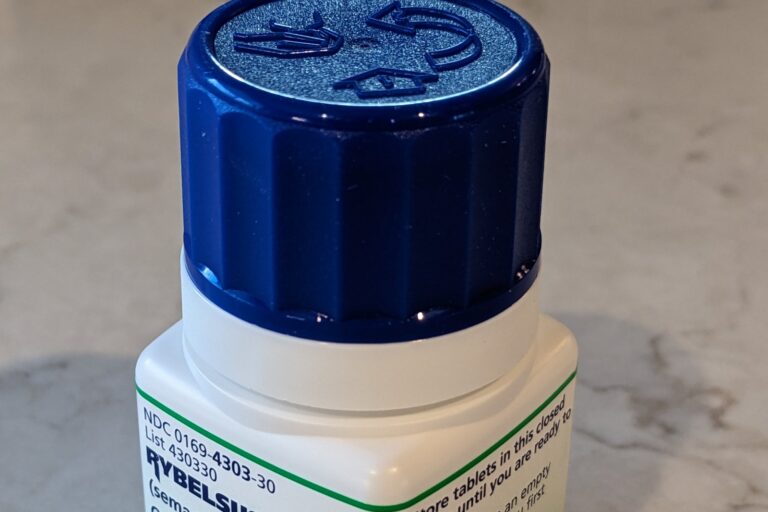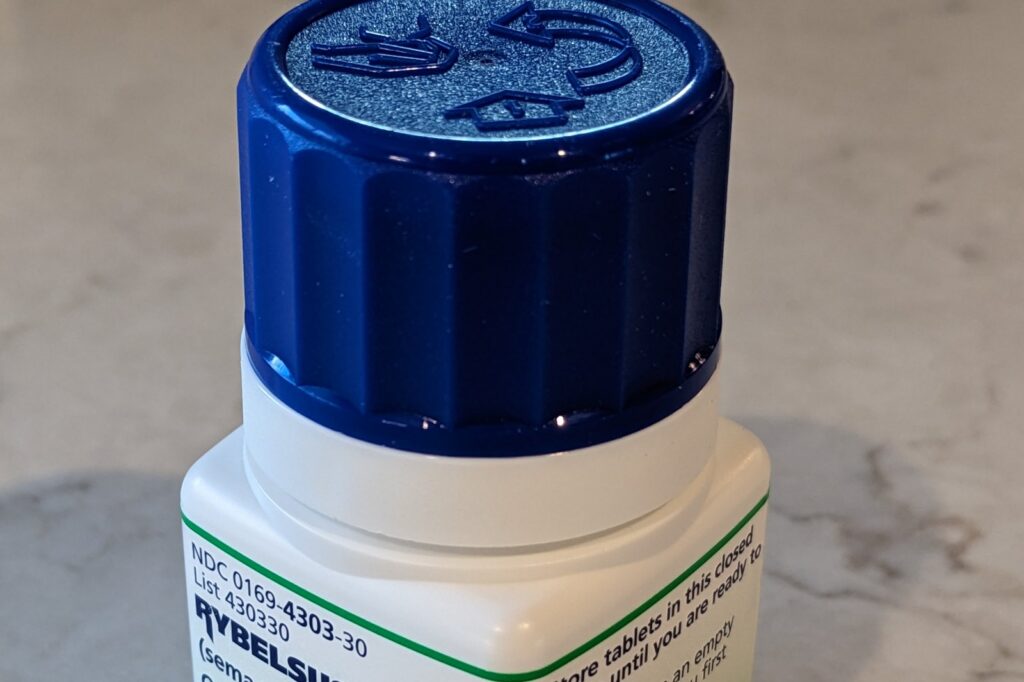
A massive study of 250,000 patients has reinforced what researchers have been tracking for years: GLP-1 drugs are proving effective well beyond their original targets of diabetes and obesity. New data links the medications to improvements in heart disease, sleep apnea, addiction, and brain health, expanding the scope of what has become one of the most widely prescribed drug classes in recent history.
The Discovery That Changed the Landscape
The path to this moment began in 1993, when Jens Juul Holst, a professor at the University of Copenhagen, observed that an infusion of a newly identified gut hormone completely normalized blood glucose levels in diabetic patients within four hours. That hormone was glucagon-like peptide-1, or GLP-1. Holst’s discovery laid the groundwork for a class of drugs that mimic the endogenous incretin hormone, which inhibits glucagon release and increases insulin secretion.
Originally developed to treat type 2 diabetes, GLP-1 receptor agonists work by activating receptors found on pancreatic beta cells and on neurons in the brain. This activation slows gastric emptying, reduces appetite, and lowers energy intake. Over time, regulators approved several formulations for obesity treatment, marking the shift from a diabetes therapy to a broader metabolic tool.
How the Drugs Work in the Body
The mechanism is systemic. In the pancreas, receptor activation stimulates insulin production and inhibits glucagon, improving glucose homeostasis. In the hypothalamus, the drugs stimulate satiety-inducing neurons while inhibiting appetite-driving pathways, counteracting leptin resistance common in obesity. They also affect adipose tissue, downregulating lipogenic enzymes and promoting the conversion of energy-storing white fat into energy-burning beige fat. Because GLP-1 receptors exist throughout the body — including in the heart, kidneys, liver, and reward centers of the brain — the therapeutic ripple effects reach far beyond blood sugar.

By the Numbers: A Drug Class at Scale
The scale of adoption is striking. A 2025 KFF poll found that one in eight Americans are currently taking a GLP-1 drug, and one in five have taken one at some point. In the United Kingdom, a Food Foundation survey indicates over eight million Brits have taken or are currently taking weight-loss medications such as Wegovy and Mounjaro. The commercial footprint matches the clinical reach: in 2024, Novo Nordisk, the maker of Ozempic and Wegovy, saw its market capitalization exceed the entire economy of Denmark, its home country.
Emerging Applications: Heart, Sleep, and Addiction
Recent studies have connected GLP-1 use to cardiovascular benefits, reductions in sleep apnea severity, and potential modulation of addictive behaviors. Researchers are actively investigating the drugs for metabolic dysfunction–associated steatotic liver disease, polyendocrine metabolic ovarian syndrome, and diseases of the reward system — particularly addictions linked to ultra-processed foods. The common thread appears to be the drug’s action on central nervous system pathways that govern craving and reward, not just hunger.
The Human Side: Managing Daily Life on GLP-1s
For families navigating treatment, the science translates into daily trade-offs. Because the drugs slow gastric emptying, high-fat, fried, or sugary foods can worsen nausea, vomiting, acid reflux, and blood sugar swings. Clinicians advise prioritizing lean proteins, complex carbohydrates, and hydration, while keeping portions small and meals regular. Dr. Ann Nainan, a GP at the UK online clinic Medicspot, warns that fatty cuts of meat, butter, cream, alcohol, and processed snacks often trigger the most disruptive gastrointestinal side effects, especially during holidays or periods of dietary indulgence.
What Comes Next
Trials continue across liver disease, addiction, and neurodegenerative conditions. Regulators are evaluating label expansions, and pharmaceutical pipelines are filling with next-generation formulations, including oral pills. For patients, the conversation has shifted from whether these drugs work for weight loss to how they might fit into a broader plan for chronic disease management — a conversation that should always include a physician.
Sources
- GLP-1 receptor agonist
- The science behind GLP-1s
- Chemist Warehouse’s fortunes hinge on securing weight-loss pill dominance
- 'More nausea and vomiting' warning to Mounjaro and Wegovy users by GP
- I want to lose weight, but I don’t want anyone to notice | The Spinoff
Photo: Grendelkhan (CC BY-SA 4.0)