“Tumours wiped out in every mouse.” So ran a reel doing the rounds on Instagram in late October 2026, and for all the noise, it is not quite what the paper says.
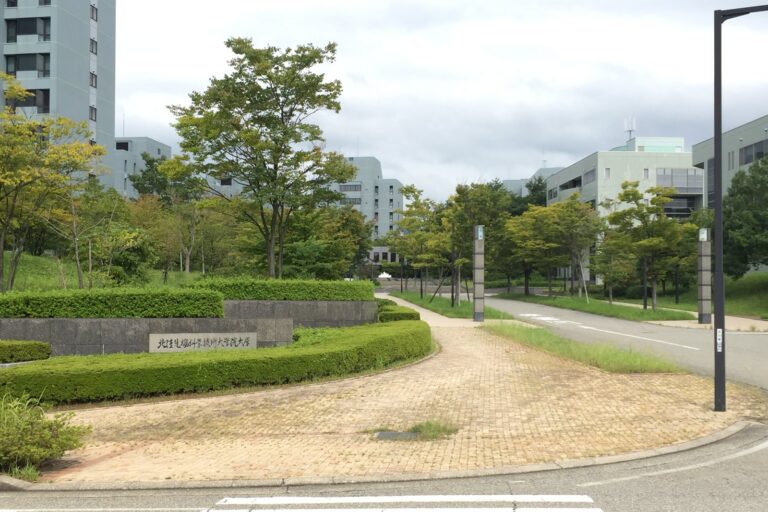
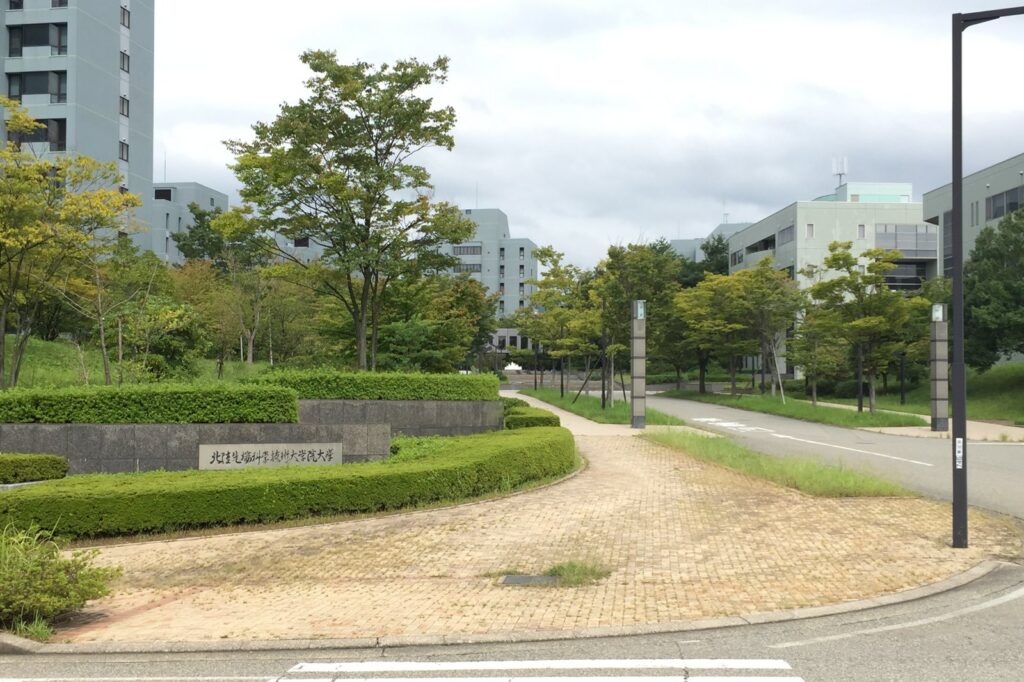
The paper itself is real. It appeared in Nature Biomedical Engineering on 5 August 2025, from a team led by Professor Eijiro Miyako at the Japan Advanced Institute of Science and Technology (JAIST), working with Daiichi Sankyo and the University of Tsukuba. Every animal in it was a mouse. Nobody has given this bacterial pairing to a person.
Two bacteria, one odd partnership
The treatment is called AUN, after a Japanese phrase for harmony between opposites. It combines Proteus mirabilis, nicknamed A-gyo, with Rhodopseudomonas palustris, a photosynthetic species nicknamed UN-gyo. Two intravenous doses produced complete tumour regression in the treated groups. The bacteria gather inside tumour tissue, wreck its blood vessels, and leave dead tissue behind.
The mix is not static. It begins at roughly 3:97, A-gyo to UN-gyo, and shifts to about 99:1 once inside a tumour. Chemicals the tumour gives off make A-gyo stretch into long, motile filaments. UN-gyo, notably, acts as a brake: it damps the harmful activity of both strains while sharpening their attack on cancer cells.
What the results actually were
In mouse models of human colorectal cancer and of human pancreatic cancer, tumour elimination was 100 per cent. The tumours were human cells grafted into mice, and the effect held even in animals with badly weakened immune systems, which is the paper’s headline point. Most modern immunotherapies depend on working immune cells; this one reportedly does not.
That is a result in particular mouse groups, under a particular dose and ratio. It is not a statement that the therapy works in every animal, still less in every patient.
Safety, as reported
At the doses tested, the researchers saw no systemic toxicity and no cytokine release syndrome, a dangerous immune overreaction. Examinations 150 days after treatment found no obvious damage to the heart, lungs, liver, spleen or kidneys.
The caveat the reel left out is a sharp one. Safety depended on the exact ratio and dosing. Excessive doses, or wrongly proportioned mixtures, caused fatal reactions in mice. Human safety, correct dosing and clinical benefit have not been established.
Mice are not patients
Mouse results often fail in humans, and bacteria given into the bloodstream bring risks of their own. Miyako says he is preparing to launch a startup and hopes to begin clinical trials within six years. “A new chapter in bacteria-based cancer therapy, pursued for over 150 years, is finally beginning,” he said. That is a hope, not a schedule, and certainly not a treatment.
Do not seek bacterial treatments outside a clinical trial. Talk to your oncologist.
Sources
- Challenging Over 150 Years of Cancer Immunotherapy: AUN Bacteria Herald an Immune-Independent Breakthrough
- AUN: The Living Drug That Shouldn't Work—But Does
- New bacterial therapy destroys cancer without the immune system
- STUDY: Natural Soil Bacteria Combo Completely Eradicates Tumors Across Multiple Human Cancer Types in Mice
- Science at the Edge: Half-Human Mouse Brains, Lab-Made Cells That Evolve, and Bacteria That Wipe Out Tumors
- Did Scientists Cure Cancer Using Frog Bacteria? Here's What's Actually True
Photo: jaist (CC BY-SA 4.0)