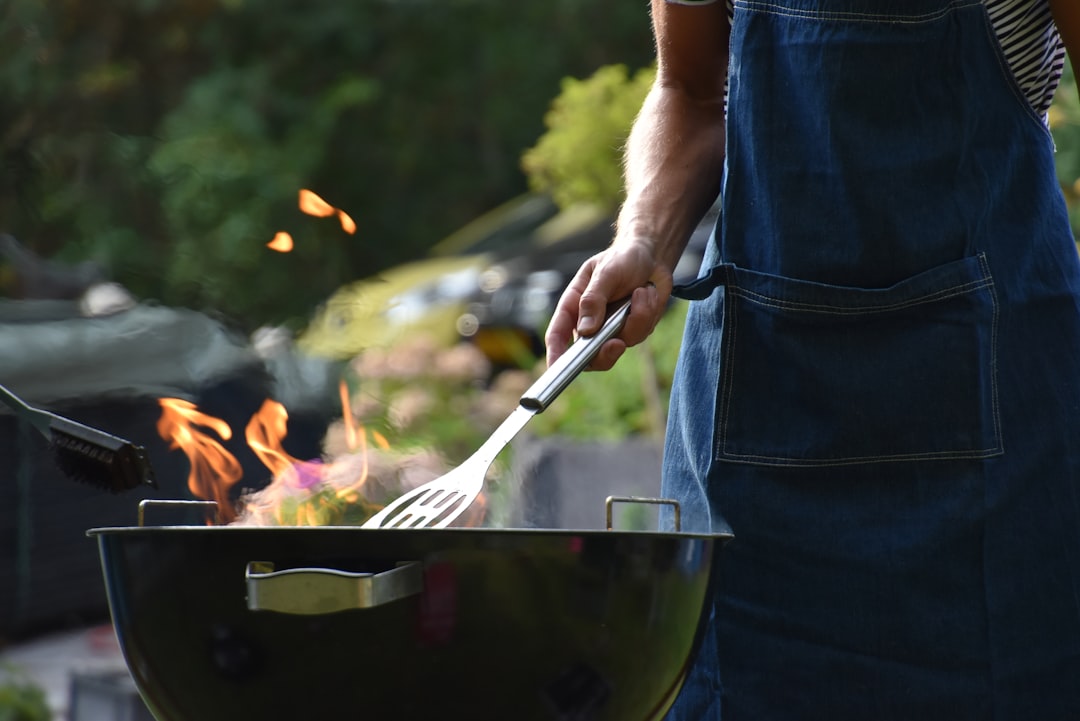
GATLINBURG, Tenn. — The brisket smoke had barely cleared from Meatstock 2026 when the political weight of what happened here began to settle. This was not just another weekend of carnivore camaraderie. Calley Means, a senior advisor to the U.S. Department of Health and Human Services, stood among the crowd. Vani Hari, widely known as the “Food Babe” and a regular visitor to White House officials, was there too. Their presence signaled something the MAHA movement has been working toward for months: direct access to federal power.
MAHA — an acronym copyrighted by Robert F. Kennedy Jr., who collects licensing fees for its use — has no single platform. It is a loose coalition. Some factions fight against ultra-processed foods. Others target pesticide use. A vocal segment pushes vaccine skepticism. One belief, however, cuts across nearly every faction: Americans must eat “real food,” and that includes meat. According to Brian Bienkowski, managing editor of The New Ledge, this mantra is now woven into federal nutrition and health policymaking.
Meatstock 2026 was the physical expression of that political turn. Attendees bonded over brisket, bacon, butter, and steaks. Raw milk was on offer. Kitsch apparel was everywhere. The scene looked like a county fair for the paleo set. But the policy implications are serious. The MAHA movement claims to champion natural, healthy eating. Yet it also embraces meat-heavy diets that carry a high planetary cost. Going up the food chain — eating animals instead of plants — strains land, water, and climate. Studies have consistently shown that vegetarian and plant-dominated diets are healthier than meaty ones.
The contradiction is not subtle. A movement that presents itself as a return to natural eating has aligned itself with industrial-scale meat production. The same people who demand the removal of artificial dyes from food often encourage the consumption of beef, pork, and poultry raised in concentrated animal feeding operations. The environmental footprint of that meat is enormous. The health arguments are no cleaner. Red and processed meats have been linked to heart disease, cancer, and other chronic conditions. The MAHA movement does not address these studies. It does not have to. It has policy influence.
How did this happen? The MAHA label gained traction through social media, then through advocacy groups, then through direct contact with federal officials. Kennedy’s copyright on the name gives him control over its commercial use. That licensing structure means the movement is not just a grassroots phenomenon. It is a branded product. And like any product, it needs promotion. Meatstock 2026 served that purpose. The presence of senior HHS advisors and White House-connected activists turned a meat festival into a political rally.
The broader context matters. The U.S. dietary guidelines are due for revision. Federal nutrition programs shape what millions of Americans eat every day. If MAHA’s meat-positive, anti-processed-food agenda becomes official policy, the consequences will be measurable. More meat consumption means more greenhouse gas emissions. More water use. More land cleared for feed crops. Meanwhile, the scientific consensus on plant-based diets remains strong. The American Heart Association, the World Health Organization, and the U.N. Food and Agriculture Organization all recommend reducing meat intake for both health and environmental reasons.
Meatstock 2026 did not invent these tensions. It made them visible. A gathering of meat lovers in Gatlinburg, Tennessee, last month brought together people who believe that butter and bacon are health foods. They were not alone. They had the ear of the federal government. That is the story. Not the brisket. Not the raw milk. The policy shift that is happening while Americans are told to eat “real food” — and told that real food means meat.