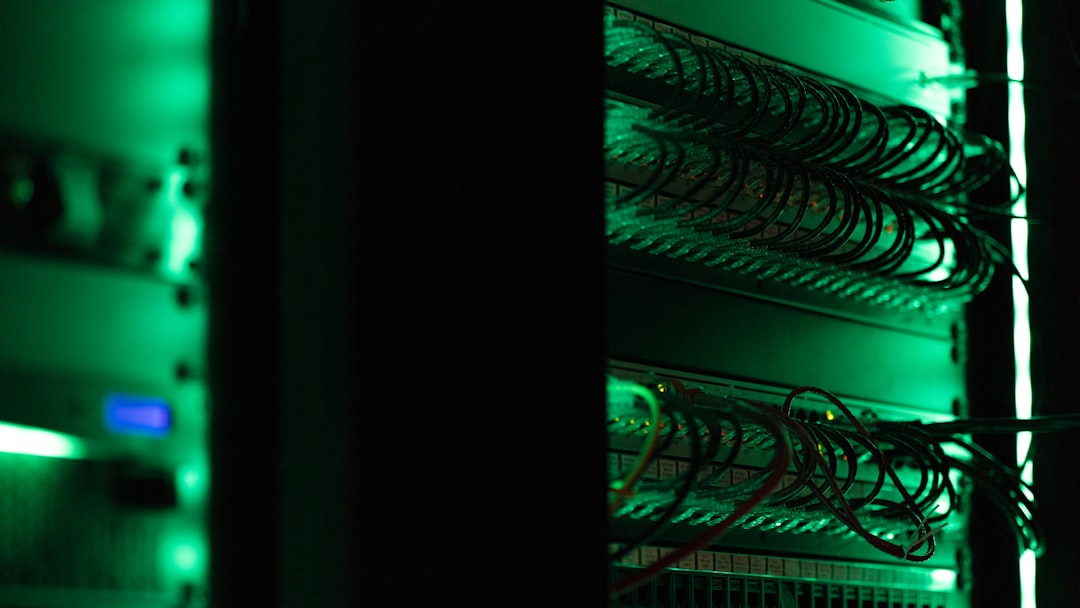
Think of AI not as a tool you use, but as a grid you plug into. That is the direction the IEEE Computer Society sees for 2026. Their new forecast, a consolidation of 26 key trends, argues artificial intelligence is becoming something closer to electricity or the internet. It is infrastructure. The question is not whether this happens. It is who controls the energy, the data, and the trust that keeps it running.
The shift is structural. IEEE predicts AI agents will become standard team members in office work. That changes the math of competition. The forecast states that competitive advantage will move from headcount to how effectively organizations apply intelligence. Headcount becomes less important. Application of intelligence becomes everything. This is a direct challenge to how companies value labor and scale operations.
Hardware is catching up to software. That is a quiet but critical point in the report. Embodied AI — robots, drones, autonomous systems — is expected to scale across manufacturing, logistics, and cities. Robotaxis are moving toward dense, capital-intensive urban services. The physical world is getting wired into the AI grid. But the forecast identifies two hard limits on scaling: power generation and trust. Without solving both, the infrastructure cannot hold.
Trust is the messier problem. It includes data provenance and identity. Who made this piece of data? Can you prove it? AI-generated video, music, and documents are maturing fast. Social AI that reads emotion and adjusts tone is emerging. Always-on wearable AI devices are rising, and they bring privacy questions with them. The infrastructure only works if people believe what the system tells them. That is not guaranteed.
Power generation is the other wall. Running large AI systems at scale takes enormous energy. The forecast does not say where that power comes from. It simply names the limit. In-memory computing that prioritizes performance-per-watt over raw speed is gaining ground. That is a technical shift, but it points to a deeper constraint: raw compute cannot keep growing without a corresponding energy solution.
Medicine stands out. Among all applications, IEEE singles out medicine and engineered therapeutics as carrying the largest potential impact. AI-driven scientific discovery is a key trend. This is not about chatbots or image generators. It is about using AI to find new drugs, understand disease, and engineer treatments. That is where the report sees the biggest payoff.
AI-enabled digital twins are becoming practical tools. Quantum-safe cryptography is on the horizon. These are not distant possibilities. They are trends IEEE expects to define the year ahead. The forecast is a consolidation of 26 trends, not a list of wild predictions. It is a map of what the group thinks is already in motion.
The takeaway is not optimism or alarm. It is a recognition that AI is leaving the category of tools and entering the category of systems we depend on. That changes the stakes. A tool you can discard. Infrastructure you have to maintain, secure, and trust. The IEEE report says that transition is happening now, and the hardest problems are not technical. They are about who pays for the power and who decides what is true.