
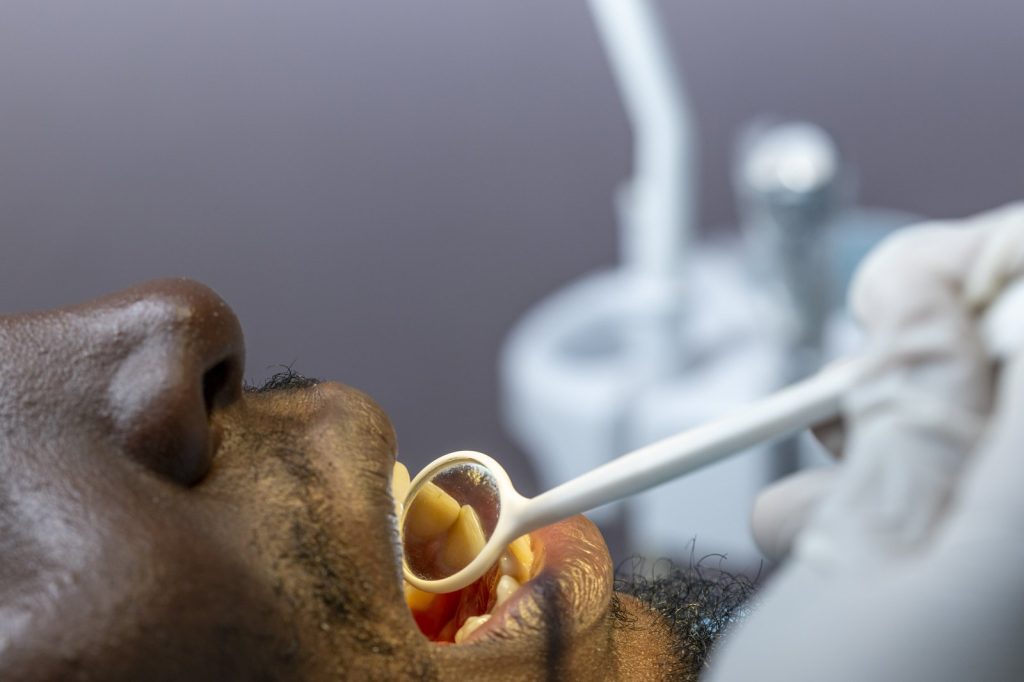
A study published in Biomarker Research has introduced a non-invasive brush biopsy assay called qMIDSV3 that can detect oral squamous cell carcinoma in under an hour. The test, which analyzes cells collected from the surface of the mouth, could spare many patients from the discomfort and recovery time of traditional scalpel biopsies.
Researchers from a cross-university team, including Queen Mary University of London, analyzed 1,090 brush biopsy samples taken from 545 patients, making this the largest study of its kind. The assay accurately identified the main form of oral cancer using surface cells, addressing both diagnosis and the clinical need for triage.
Addressing a Longstanding Diagnostic Gap
Oral cancer, which includes cancers of the lip, tongue, and the lining of the mouth, has long posed a diagnostic challenge. Suspicious lesions are often discovered during routine dental or medical exams, but determining which ones require immediate surgical intervention has been a persistent dilemma. The standard approach for decades has been the scalpel biopsy: a surgical removal of tissue for laboratory analysis.
While definitive, this procedure is invasive, can cause discomfort, and typically requires a healing period. Many lesions that look suspicious turn out to be benign, yet the current pathway often sends every patient with a potentially malignant oral disorder directly for a scalpel biopsy.
The brush biopsy emerged in the late twentieth century as a less invasive alternative. Instead of cutting tissue, a small brush collects cells from the surface of a lesion. The sample is then examined under a microscope, reducing pain and eliminating the need for stitches.
However, traditional brush biopsies have had limitations in accuracy, sometimes producing inconclusive results that still required follow-up with a scalpel. This new assay, named qMIDSV3, builds on earlier brush biopsy technology by analyzing genetic markers in cells collected from the mouth.
It can distinguish cancerous from non-cancerous tissue in under an hour, offering a rapid triage tool that could reshape how suspicious lesions are managed.
Potential to Reduce Unnecessary Procedures
According to the study authors, the qMIDSV3 test could spare more than 90% of low-risk patients with potentially malignant oral disorders from unnecessary tissue biopsies. Rather than sending every patient directly for a scalpel biopsy, the assay identifies which cases truly require surgical intervention, thereby reducing the number of unnecessary procedures.
For clinicians, this provides a reliable, rapid method to decide which lesions need surgical biopsy and which can be safely monitored. The test addresses a clear gap in the current diagnostic pathway, where oral cancer is often caught late, making treatment more difficult and reducing survival odds. Officials confirmed that the study represents the largest analysis of its kind.
The sample size — 545 patients providing paired samples — gives the findings statistical weight. Researchers indicated that the assay was designed to serve both diagnosis and triage, a dual purpose that could streamline the care pathway for patients with suspicious oral lesions.
For patients, this means a potential reduction in invasive procedures. For the health system, it offers a faster path to diagnosis and treatment for those who truly need it. The study behind the test is the largest of its kind, lending weight to its findings.
As with any medical test, individuals should consult their doctor for medical advice.




