
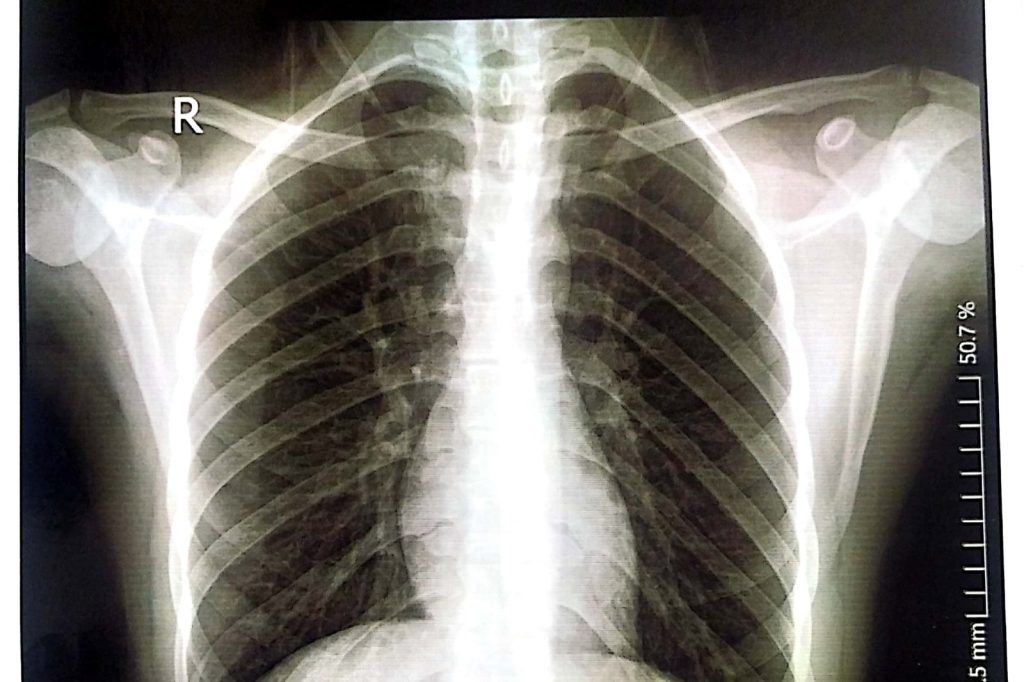
Samuel Mathias was 22 years old, fresh out of a finance degree and working as a personal banker in Melbourne, when he began noticing what he called “unusual sensations” in his chest. Outside of work, he trained regularly, maintained his fitness, and harbored a dream of becoming a world champion boxer. The dull ache that occasionally flared in his chest seemed easy to dismiss — perhaps a pulled muscle from training or stress.
“I had all these little niggling symptoms that didn’t really seem like a big deal,” Mathias, now 29, told the Daily Mail. He continued his routine, not letting the discomfort stop him.
As months passed, the symptoms began to accumulate. The pain in his shoulder persisted, especially at night. Looking back, Mathias now recognizes those seemingly minor signs as the first indications of desmoplastic small round cell tumour (DSRCT), an extremely rare and aggressive sarcoma.
DSRCT is so uncommon that most general practitioners will never encounter a case in their careers. Its symptoms — chest discomfort, shoulder pain, breathlessness — closely mimic common musculoskeletal issues, which often leads to delayed diagnosis.
By the time doctors identified Mathias’s tumor, it had already reached an advanced stage. The five-year survival rate for DSRCT stands at 10 percent, a reflection of both the tumor’s aggressiveness and the frequency of late detection. Mathias continues treatment today.
A Rare Cancer That Masks as Routine Strain
DSRCT belongs to a family of tumors known as sarcomas, which arise in bones and soft tissues. The rarity of this particular cancer means that even persistent symptoms like Mathias’s may be attributed to sports injuries, growing pains, or overuse strain. Chest pain that flares during activity and shoulder discomfort that worsens at night are classic signs easily chalked up to training.
The case highlights a broader pattern among teenagers and young adults: symptoms that seem minor but persist deserve medical review rather than dismissal as routine strain. The broader category of Ewing sarcoma, a related but distinct malignancy, was first identified in 1920 by pathologist James Ewing, who distinguished tumors in bone and soft tissue from other childhood cancers.
These rare cancers most often arise in teenagers and young adults, typically in the long bones of the legs, the pelvis, or the chest wall. The most common early sign is pain at the tumor site that often worsens at night, followed by swelling or a visible lump. In some cases, the first indication is a fracture after minor trauma. The disease can also develop outside bone, in soft tissues such as the lungs or the membranes around the brain or spinal cord.
Because symptoms can resemble common injuries, diagnosis is frequently delayed until imaging or biopsy reveals the small round blue cells that characterize Ewing sarcoma.
Genetic Roots and Emerging Hope
The underlying cause of Ewing sarcoma remains unclear, but research points to a strong inherited component. Most tumors contain a specific chromosome rearrangement — a reciprocal translocation — suggesting a genetic origin rather than exposure to environmental factors. While the cancer is not strongly linked to known hereditary syndromes, clusters within families have been documented, indicating that some individuals carry susceptibility genes that raise their risk.
Diagnosis relies on a tissue sample from the tumor, and treatment combines chemotherapy, surgery, and often radiation. For patients whose disease is localized at diagnosis, five-year survival approaches most of those treated, but outcomes fall sharply when the cancer has spread.
The significance of Mathias’s case is twofold. First, it illustrates how persistent but easily dismissed symptoms in young adults can point to a life-threatening condition. Second, advances in molecular profiling are refining both diagnosis and therapy, with targeted drugs and immunotherapies under active study.
For families and clinicians, awareness of the early signs of sarcomas like DSRCT can shorten diagnostic delays, while emerging treatments offer hope for improving survival in advanced cases. Mathias’s experience serves as a reminder that symptoms that linger deserve attention.
Consult your doctor for medical advice.
{“@context”: “https://schema.org”, “@type”: “NewsArticle”, “headline”: “Samuel Mathias’ chest pains turn out to be rare cancer diagnosis”, “description”: “MELBOURNE, July 5 — Samuel Mathias was 22 years old, fresh out of a finance degree and working as a personal banker in Melbourne, when…”, “datePublished”: “2026-07-05T09:30:00+00:00”, “author”: {“@type”: “Person”, “name”: “Sebastian Smith”}, “publisher”: {“@type”: “Organization”, “name”: “InfoPulse Today”, “url”: “https://newsfeed.infopulsetoday.com/”}}




