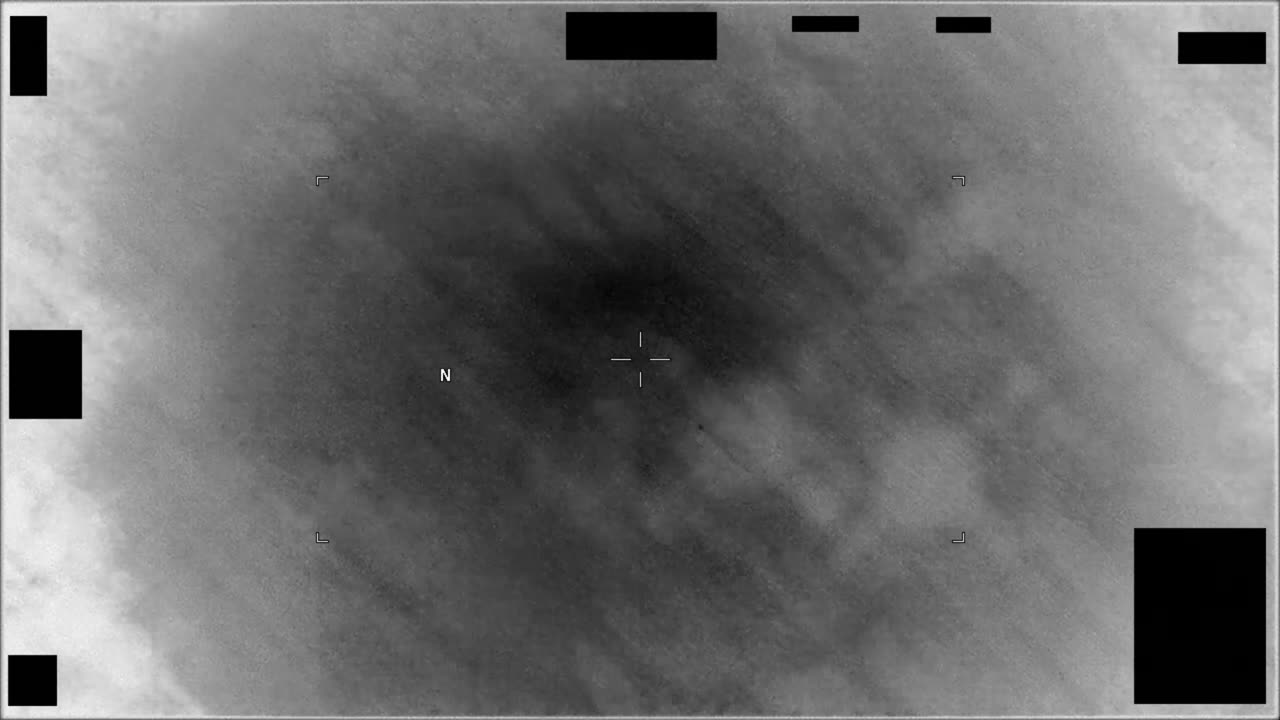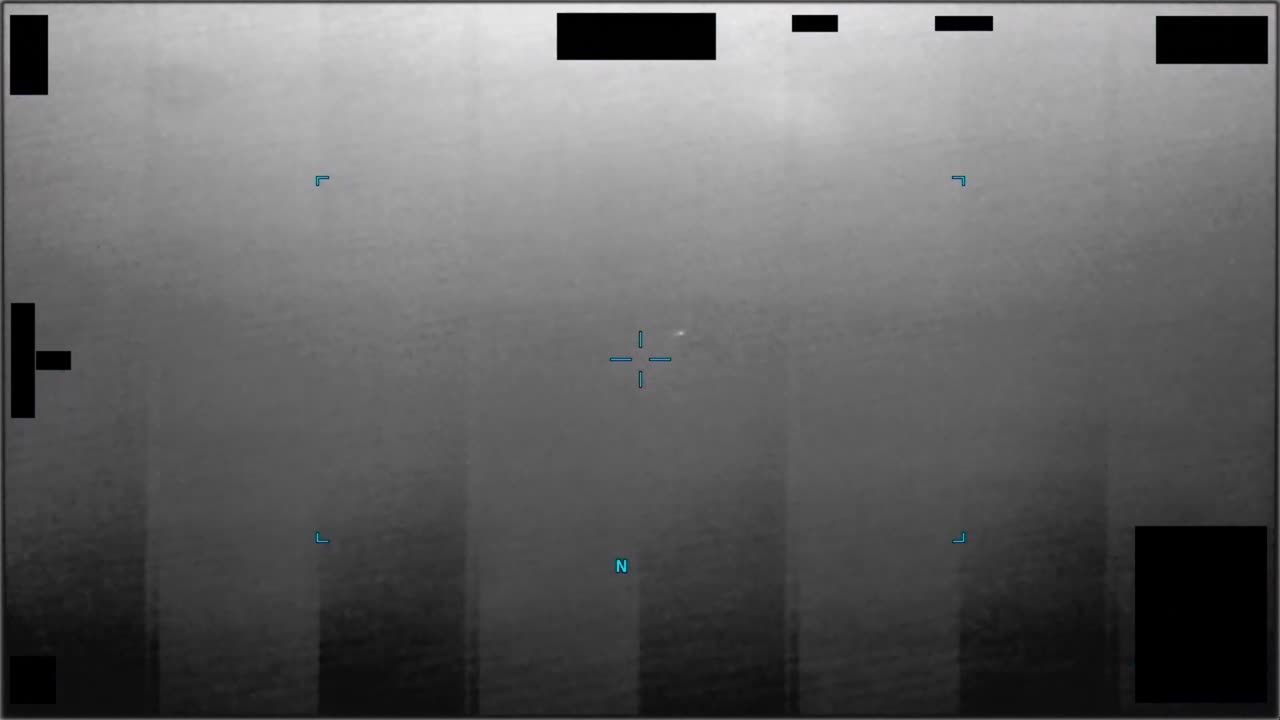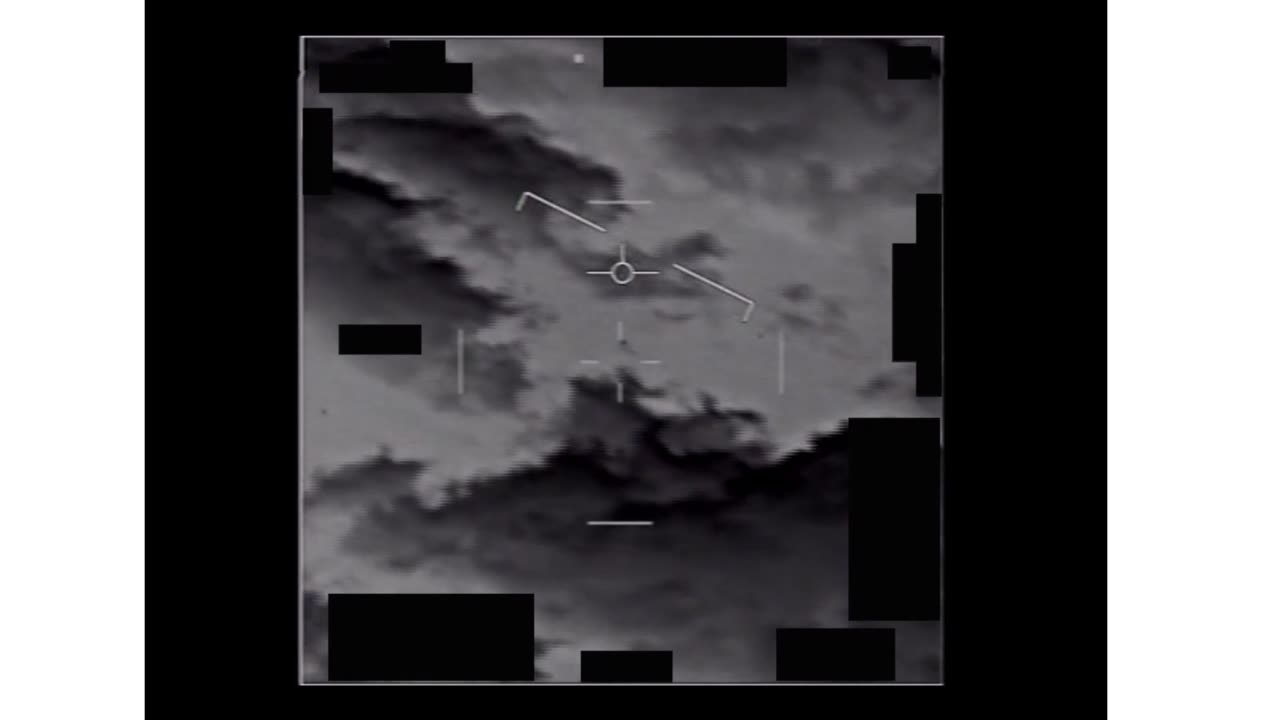
The Department of War’s release of a 90-second video from a 2020 mission marks another incremental step in a long, slow process of official disclosure around unidentified anomalous phenomena. The footage, designated PR90, shows a bright spot on infrared and radar displays, tracked by a manned aircraft at an undisclosed location. The object held a consistent altitude and speed, with no visible means of propulsion. The aircrew noted its behavior on the audio track.
This is not a dramatic new revelation. It is a procedural output. The video was declassified under the PURSUE policy framework, a mechanism designed to move UAP-related material out of classified channels and into public view. The All-domain Anomaly Resolution Office, or AARO, reviewed the footage and found nothing in it that required continued classification beyond its original designation. AARO officials described the recording as consistent with other declassified UAP sensor data from recent years.
The release is a direct product of the Office of the Secretary of Defense’s stated push for transparency. That push has been uneven. Some material has been slow to emerge. Some encounters remain locked behind classification walls. The PURSUE framework was built to change that, at least for footage that no longer meets the bar for secrecy. This video, captured on August 24, 2020, by a platform conducting routine operations, now sits in that cleared category.
What the video contains is limited. The object appeared as a bright spot on infrared and radar displays. The sensor operated in standard tracking mode. The object exited the field of view after roughly 90 seconds. No geographic coordinates were released, citing operational security. The platform was a manned aircraft. The report does not specify the exact type. The object showed no visible means of propulsion. It held a consistent altitude and speed.
That consistency is worth noting. Many UAP reports describe objects that accelerate rapidly, change direction abruptly, or hover without obvious lift. This object did none of that. It tracked steadily, then left. The aircrew noted its behavior, but the report provides no transcript of their remarks. The metadata includes a filename: dow-uap-pr090-24-aug-2020-callsign-mission-observes-uap. The callsign itself remains redacted.
Where this leads is toward a steady accumulation of such releases. Each one adds a data point. Each one normalizes the subject. The government is not saying these objects are extraterrestrial. It is not saying they are secret aircraft. It is saying they were observed, recorded, and now declassified. That is the only claim being made.
The broader effort is bureaucratic, not sensational. AARO reviews footage. The Office of the Secretary of Defense approves release. The PURSUE policy provides the legal framework. The public gets a video. The cycle repeats. This video from August 2020 is one of many. It will not be the last.
The operational security redactions are standard. The lack of location is standard. The description of the object as a bright spot on infrared and radar is standard. Everything about this release is routine, which is itself the story. The government has built a process for putting UAP footage into the public domain. It is using it. That process, however slow, is likely to continue producing similar releases. The video is out. More will follow.