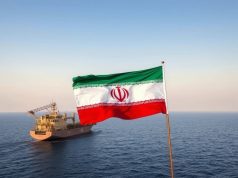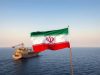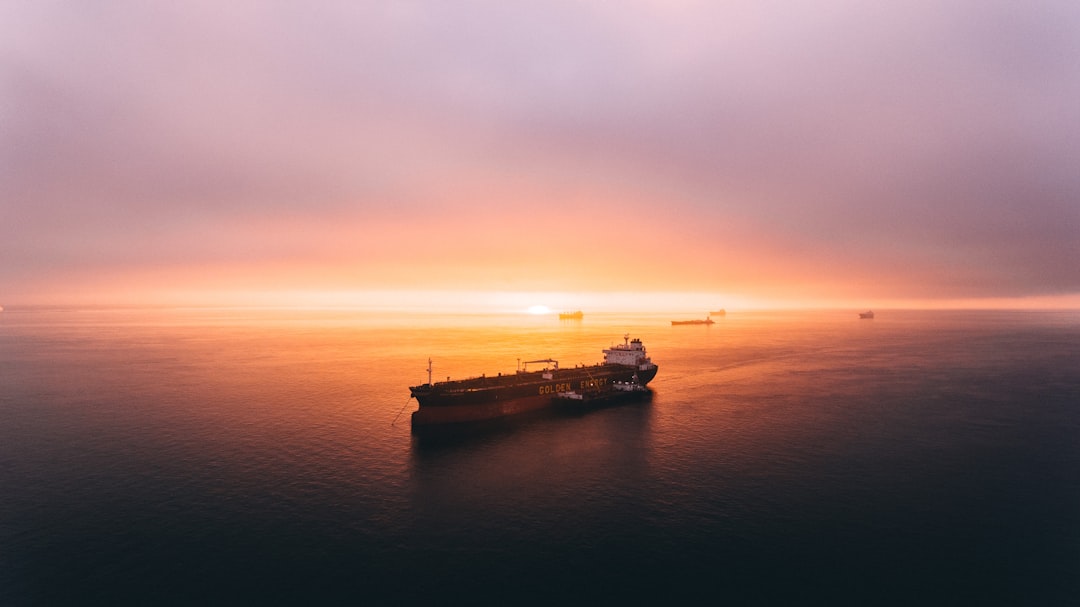
The Strait of Hormuz carries a fifth of the world’s oil. Iran’s parliament just voted to shut it. That is the blunt arithmetic facing every capital that depends on Middle Eastern crude — and the list is long.
The vote came June 22, 2025. It followed U.S. attacks that Tehran calls aggression. Whether the Iranian military actually follows parliament’s order is a separate question, but the vote itself changes the calculation for buyers, insurers, and naval commanders. The waterway is narrow. It is shallow. It is the only sea route out of the Persian Gulf. Close it, and tankers sit idle or reroute around the Arabian Peninsula — a detour that adds weeks and millions in fuel costs.
China watches this closely. It is one of the largest importers of oil from the region. Beijing has kept good relations with Iran for years. But the math is shifting. The International Energy Agency has tracked China’s growing reliance on Middle Eastern oil. A closed Strait means China either pays more for longer hauls or scrambles for alternative supply. Neither option is easy. Quiet monitoring, as the report notes, may give way to a harder reevaluation.
The U.S. Navy’s Fifth Fleet sits in Bahrain. It is on high alert. That fleet exists, in large part, to keep the Strait open. If Iran tries to block it, the Fifth Fleet will have to respond — minesweeping, escorting tankers, possibly striking Iranian coastal batteries. No one in Washington pretends that is a small operation. The President has been calling allies. European leaders. Key Middle East partners. Building a coalition is the diplomatic track, but the military track is already live.
For the global economy, the timing is brutal. Oil markets hate uncertainty. A vote to close the world’s most important chokepoint injects uncertainty by the barrel. Prices will rise. That hits consumers at the pump and industries that run on petrochemicals. Countries that import heavily — Japan, India, South Korea — have no good backup. Strategic reserves exist, but they are not infinite.
Iran’s parliament acted in response to U.S. attacks. That is the sequence. But the consequences do not stop at retaliation. They ripple outward. Insurance rates for tanker transits will spike. Shipping companies will recalculate risk. Some may refuse to sail into the Gulf at all. That is a slow-motion blockade, even before a single Iranian mine is laid.
The international community is watching. That phrase is true, but it is also passive. Watching is not the same as acting. The Strait of Hormuz is 33 kilometers wide at its narrowest point. A single sunken ship could block it. Iran knows this. The Fifth Fleet knows this. The oil traders in London and Singapore know this. The vote is a signal. What happens next depends on whether anyone blinks.