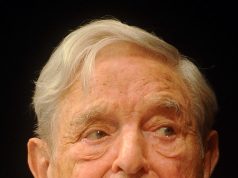
The money lands at a moment of fracture. On Wednesday, the Open Society Foundations, the grantmaking network founded by billionaire George Soros, committed $300 million over five years to what it calls defending democratic rights and advancing economic security inside the United States. The pledge is not a vague gesture. It is a specific, timed response to conditions the foundation sees as urgent.
What is at stake, in concrete terms, is the operating architecture of American democracy itself. The foundation has spent decades backing human rights and transparency efforts globally. Now it is turning a very large share of its resources inward. The $300 million figure is not pocket change for a vanity project. It represents a deliberate bet that democratic institutions in the U.S. are under enough strain to require a concentrated, five-year infusion of cash from a private foundation.
The Open Society Foundations did not release a detailed line-item budget. But the broad targets are clear: defending democratic rights and advancing economic security. Those two categories cover a lot of ground. Voting access. Legal challenges to gerrymandering and voter suppression. Support for community organizing around economic justice. Anti-poverty work tied to civic participation. The foundation has funded such work before. The scale of this pledge is what is new.
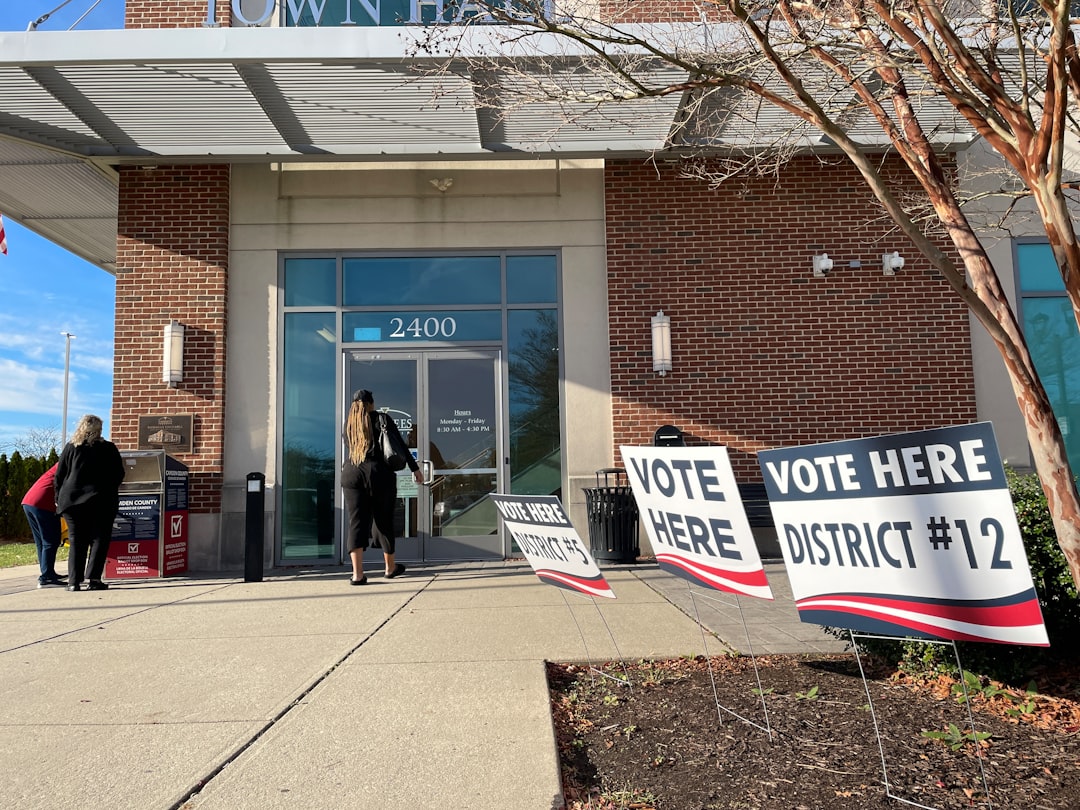
Consider the context. The United States has seen a sustained assault on the mechanics of democratic participation. State legislatures have passed dozens of laws tightening voting rules. The Supreme Court has hollowed out key provisions of the Voting Rights Act. Economic inequality has deepened, and with it the sense that the system is rigged. The Soros pledge is a direct countermove — a declaration that these trends are not inevitable and that money can be deployed to push back.
This is not a small bet. Three hundred million dollars over five years works out to $60 million a year. That is roughly the annual budget of a mid-sized public university. It is enough to fund dozens of major lawsuits, hundreds of community organizations, and a sustained national advocacy campaign. It is also enough to draw intense political scrutiny. George Soros has long been a target of right-wing conspiracy theories. The foundation is used to being attacked. The scale of this pledge guarantees the attacks will intensify.
What happens next depends on execution. The foundation will have to choose grantees, set priorities, and measure results. It will need partners. Government agencies, other foundations, community groups — none of them can be commanded. They have to be persuaded. The pledge is a statement of intent, not a finished plan. The real work is in the implementation.
Open Society has been at this work for a long time. It has funded dissidents under authoritarian regimes, backed civil society in fragile democracies, and pushed for transparency in global finance. Now it is applying that same approach at home. The $300 million is a bet that the tools that worked in Eastern Europe and Central Asia can work in Pennsylvania and Georgia. That is a contested proposition. But the foundation is putting real money behind it.
The stakes are plain. If the initiatives succeed, they could slow or reverse the erosion of democratic norms and economic security in the U.S. If they fail, the money will be gone, the attacks will continue, and the problems will remain. The foundation is betting that the risk is worth taking. Wednesday’s pledge makes that bet real.